
An electric bus charging station is the equipment and site setup used to supply electricity to a battery-electric bus. It can be installed at a depot, terminal, school bus yard, or another location where buses spend enough time to recharge. A station may contain one charger or several charging units connected to the site’s electrical system.
Choosing a charging station is not simply about buying the highest-power charger. The correct setup depends on bus battery size, route distance, charging time, fleet size, electrical capacity, parking layout, and future expansion. A well-planned system gives buses enough energy before their next trip without creating unnecessary equipment or power costs.
What Is an Electric Bus Charging Station?
An electric bus charging station is a complete charging point designed to transfer electrical energy to an electric bus. The system can include the charger, cables or overhead equipment, electrical distribution equipment, communications, controls, protection devices, and the physical area where buses connect.
For a small operation, one or two charging points may be enough. A large transit depot can require many chargers and significant electrical upgrades. The Federal Transit Administration recommends considering both vehicle and facility needs when planning battery-electric bus charging systems.
How Does an Electric Bus Charging Station Work?
Electricity enters the site from the utility grid and moves through electrical equipment before reaching the charger. The charger then delivers controlled power to the bus. Communication between the vehicle and charging equipment helps manage the charging session.
The bus does not necessarily receive the charger’s maximum rated power during the entire session. Charging limits can change according to the vehicle, battery condition, temperature, and state of charge. The station therefore needs to match the bus’s technical requirements. A charger with a high power rating is useful only when the vehicle, electrical service, and operating schedule can support it.
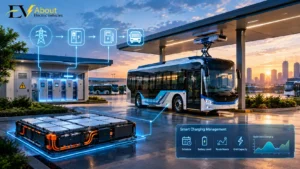
Types of Electric Bus Charging Stations
Electric buses can use different charging arrangements. The most suitable type depends on where the bus stops and how quickly it needs energy.
Plug-In Charging Stations
Plug-in systems use a cable and connector between the charger and bus. They are common at depots because buses can remain parked for several hours. This approach is relatively simple to understand and can work well for overnight charging. However, the site needs enough cable reach and safe parking positions. Staff procedures may also be needed for connecting and disconnecting buses.
Overhead Charging Stations
Overhead systems use equipment mounted above the bus. A pantograph or related conductive connection can transfer power when the bus is correctly positioned. This can reduce manual cable handling and may suit routes where buses need energy during scheduled stops. Some overhead systems are designed for depot charging, while others provide opportunity charging at terminals.
Wireless Charging Stations
Wireless systems transfer energy without a physical cable connection. The bus stops over a charging pad, and energy moves through an inductive system.
Wireless charging can reduce manual connection work, but it requires compatible equipment and accurate vehicle positioning. The Federal Transit Administration has studied wireless charging for transit buses as an alternative to wired systems.
How Much Power Does an Electric Bus Charging Station Need?
There is no single power requirement for every electric bus charging station. Required power depends on the number of buses, battery capacity, daily energy use, charging window, charger rating, and fleet schedule. A bus that stays at a depot overnight may use lower-power charging because it has many hours available. A bus that has only a short terminal stop may need a much higher-power system.
For example, a DOE example shows a 19.2 kW AC Level 2 charger providing 150 kWh of energy in about 7.8 hours for a battery-electric school bus. Actual results vary by vehicle and charging conditions. The total site power can become significant when several buses charge together. This is why electrical planning should happen before equipment is purchased.
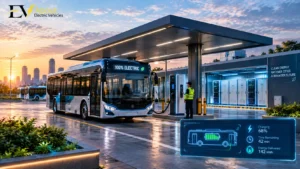
Overnight Charging vs Opportunity Charging
Overnight charging happens when buses return to a depot and remain parked for a long period. It can be a practical choice when routes finish at the same facility each day. Opportunity charging adds energy during the operating day. A bus may charge at a terminal or another planned stop while it is already waiting between trips.
Neither method is automatically better. Overnight charging can reduce the need for very high charging power, while opportunity charging can support demanding routes without requiring the entire day’s energy to come from one depot session.
How to Plan an Electric Bus Charging Station
Planning should begin with the bus schedule rather than the charger model. First, record daily route distances, operating hours, energy use, and the time each bus spends at the depot or terminal. Next, determine how much energy each vehicle must receive before its next departure. Then review the electrical service at the proposed site. The utility may need to assess available capacity, interconnection requirements, transformer needs, or other upgrades.
The physical layout also matters. Chargers need suitable locations, cable reach, vehicle clearance, protection from traffic, and enough room for maintenance. EPA guidance recommends discussing charging equipment, port placement, existing electrical capacity, permits, ownership, and future fleet expansion with the local utility.
Electric Bus Charging Station Installation
Installation can involve much more than mounting a charger. Depending on the site, work may include electrical panels, transformers, conduit, wiring, trenching, networking, protective equipment, foundations, lighting, signage, and changes to parking areas. A qualified electrical contractor should install the equipment according to applicable requirements and manufacturer instructions. The project may also require permits, inspections, utility coordination, and commissioning.
Planning for future buses can be valuable. Installing extra conduit or preparing electrical capacity during the first construction phase may be easier than rebuilding the site later. EPA specifically encouragesconsideration of future fleet electrical needs during infrastructure planning.
Electric Bus Charging Station Cost
The cost of an electric bus charging station varies widely. There is no reliable single price because installation conditions differ from one site to another. The total project can include chargers, electrical upgrades, utility work, construction, labor, software, networking, engineering, permits, and maintenance.
High-power systems can require larger electrical infrastructure. A simple depot with available capacity may have fewer installation requirements than a large facility that needs a new service connection or transformer. Fleet managers should compare total project cost rather than looking only at the advertised charger price.
Smart Charging and Energy Management
Smart charging controls when buses receive electricity. Instead of starting every charger at maximum power when buses arrive, a management system can schedule charging according to departure time, battery level, route requirements, and available site capacity.
This can help reduce simultaneous peak demand and make better use of the electrical connection. It can also prioritize a bus that needs to leave soon over one that has several hours remaining. The main objective is reliability. Cost control should never leave a scheduled bus without enough energy for its next route.
Safety at an Electric Bus Charging Station
Charging equipment handles significant electrical power, so safety needs to be part of the design and daily operation. Charging areas should allow safe vehicle movement and provide enough space around equipment for inspection and maintenance. Cables and connectors should be protected from damage, and damaged equipment should not be used until it has been inspected.
Personnel working with electric buses and charging equipment need appropriate training. The Federal Transit Administration recommends safety and security practices for battery-electric bus fleets, facilities, systems, and equipment. Regular inspection and preventive maintenance can help identify connector damage, communication faults, equipment problems, and other issues before they affect service.
How to Choose the Right Electric Bus Charging Station
Start with the route and charging schedule. Identify how much energy each bus uses and how much time it has available for charging. Then choose the charging method that fits the operation. Depot buses with long parking periods may work well with plug-in charging. High-use routes with short stops may benefit from opportunity charging. Wireless systems can be considered when their advantages fit the site.
Next, evaluate electrical capacity, installation requirements, maintenance support, software, compatibility, and future expansion. The best station is not necessarily the most powerful one. It is the system that reliably provides the required energy within the available time. Good planning supports reliable service throughout operations.
FAQs About Electric Bus Charging Station
Following are the general FAQs related to this article:
Q.1 How long does it take to charge an electric bus?
Charging time depends on battery capacity, starting charge level, charger power, vehicle limits, temperature, and the amount of energy required. A long overnight window can allow slower charging, while short stops may require higher power.
Q.2 Can an electric bus charge overnight?
Yes. Overnight charging is common when buses return to a depot and remain parked for several hours. The required charger size depends on the energy used during the route.
Q.3 Are electric bus charging stations expensive?
They can be, especially when a site requires electrical upgrades, construction, or high-power equipment. The total cost depends heavily on local conditions and fleet requirements.
Q.4 Can multiple buses use one charging station?
Some charging systems and energy-management platforms can support multiple vehicles, but the available electrical capacity limits how much power can be delivered at the same time. Fleet schedules should be considered before determining the number of charging points.
Q.5 Can electric buses use fast charging?
Not always. If a bus has enough time at the depot, slower charging may be sufficient. Fast charging becomes more useful when the vehicle has limited time between routes.
Conclusion
An electric bus charging station is a critical part of an electric fleet because reliable transportation depends on reliable energy supply. The right system must match the bus, route, charging window, electrical service, site layout, and future fleet plans.
Plug-in, overhead, and wireless options can serve different operating needs. Before installation, operators should work with utilities, charging providers, electrical professionals, and vehicle manufacturers to understand power requirements and compatibility.
A carefully planned charging station can support dependable daily service while controlling infrastructure, energy, and maintenance costs. The strongest solution is the one designed around real fleet operations rather than a charger’s headline power rating.