
Electric rickshaws are now widely used for short-distance transport in India. They serve passenger trips, local commuting, deliveries, and last-mile travel. Instead of a petrol or diesel engine, they use a rechargeable battery and electric motor. An electric rickshaw in India can be used for passenger transport, cargo movement, and everyday urban travel.
The market includes simple e-rickshaws and advanced electric three-wheelers. The right choice depends on distance, load, charging, battery type, service, and running cost. This guide covers how an electric rickshaw in India works, available types, range, charging, buying checks, and government support.
What Is an Electric Rickshaw in India?
An electric rickshaw in India is a three-wheeled vehicle powered by a rechargeable battery and electric motor. Its main systems include the battery, motor, controller, charger, brakes, suspension, steering, and electrical components. Most are designed for urban and semi-urban trips. Passenger versions provide local transport, while cargo versions are built for goods. Battery capacity, motor output, payload, body design, and certified performance vary by model.
Types of Electric Rickshaws in India
The market includes passenger e-rickshaws, electric autos, and cargo three-wheelers. Basic passenger models focus on affordable local transport. Electric autos from larger manufacturers may offer stronger construction, improved braking, and more advanced systems. Cargo versions replace passenger seating with a loading area for deliveries and business use.
PM E-DRIVE separately identifies e-rickshaw/e-cart vehicles and L5 electric three-wheelers, so specifications, eligibility, and operating requirements can differ.
How Does an Electric Rickshaw Work?
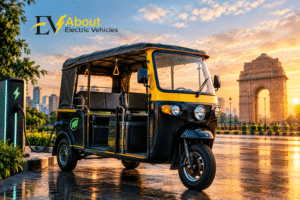
The battery sends stored energy to the motor controller, which regulates power according to accelerator input. The motor then drives the wheels. Some models use regenerative braking to recover some energy during deceleration. Charging time depends on battery size, charger output, battery condition, and the charging system. The electric powertrain can reduce some routine maintenance, but the battery and electrical components still need proper care. This basic mechanism applies across many types of electric rickshaw in India.
Battery Options and Range
Battery technology is one of the biggest differences between electric rickshaws. Lead-acid batteries are used in some lower-cost vehicles because their initial price can be attractive. Lithium-ion batteries generally cost more but can provide lower weight and better energy density.
Range depends on battery capacity and efficiency, but advertised range is not a guaranteed daily distance. Load, road conditions, speed, tire pressure, traffic, weather, and driving style affect actual range.
Current PM E-DRIVE approved examples show this variation clearly. Bajaj Riki C4005 is listed with a 5.40 kWh battery and a 123 km range, while Bajaj Riki P4005 is listed at 142 km. The Bajaj Riki P4006 is listed with a 6.10 kWh battery and a 183 km range. These are official scheme-listed figures, not promises for every driving condition.
Motor Power and Performance
Motor power affects acceleration, hill climbing, and loaded performance, but wattage alone does not tell the whole story. Also compare battery capacity, vehicle weight, payload, controller, drivetrain, and road conditions. For commercial work, reliability can matter more than peak output. Test acceleration, braking, steering, suspension, and loaded behavior when choosing an electric rickshaw in India.
Electric Rickshaw Range in Real Use
The practical range of an electric rickshaw in India depends on how it is driven and loaded. Frequent stops and starts can change energy consumption compared with steady travel. Heavy passenger loads, low tire pressure, rough roads, and aggressive acceleration can also reduce efficiency.
If your work requires 100 kilometers every day, do not select a vehicle simply because its brochure says 100 kilometers. Leave a practical reserve so that traffic, detours, weather, and battery aging do not create problems. Choose a battery that matches your work without unnecessary cost or weight in daily use.
Charging Time and Daily Operation
Charging should fit your work schedule. One daily shift may allow overnight charging, while heavy use may require a larger battery or faster charging. Use the manufacturer-approved charger and confirm the required electrical supply. Also check whether the charger is included in the price. A practical charging location is as important as charging speed for commercial operators using an electric rickshaw in India.
Electric Rickshaw Price and Running Cost
Purchase price varies with battery, motor, body design, brand, capacity, and equipment. Basic models cost less, while advanced three-wheelers with larger batteries generally cost more. Do not compare only the upfront price. Consider electricity, maintenance, battery replacement, insurance, registration, financing, tires, brakes, and downtime. Electric vehicles avoid some engine-related service items, but batteries and electrical parts can still be major long-term costs.
Benefits and Limitations
An electric rickshaw in India can offer quiet operation, no tailpipe emissions while driving, and convenient home or depot charging when the setup allows it. Electric motors also deliver immediate torque, which can be useful in stop-and-go city traffic. However, electric vehicles are not maintenance-free. Battery capacity can decline with age, charging takes time, and range can be affected by heavy loads or poor operating conditions. Access to reliable service is also important.
For a commercial owner, the main question is whether the vehicle can complete the planned work reliably every day. A model with a suitable range and support network is usually more useful than one selected only because of its low purchase price.
Popular Electric Rickshaw Models
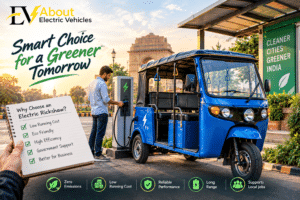
India has many electric three-wheeler brands, including established automotive companies and specialized EV manufacturers.
The official PM E-DRIVE database currently lists approved e-3W products from Bajaj Auto, Mahindra Last Mile Mobility, Kinetic Green, Dilli Electric Auto, and TI Clean Mobility. Examples include Kinetic Safar Smart Next-E, Mahindra Treo Yaari Cargo variants, and Montra Electric eRL51. Compare the exact variant because specifications can differ within a model family.
Government Support for Electric Rickshaws
Government support can reduce the effective cost of eligible vehicles, but not every electric rickshaw in India receives the same benefit. PM E-DRIVE includes e-rickshaw/e-cart categories and L5 electric three-wheelers under its rules. Eligibility depends on vehicle category, approved model, battery requirements, and commercial use.
Check the official model database or confirm current eligibility with an authorized dealer before purchase. The official database lists approval status and validity periods for individual models.
Electric Rickshaw for Passenger Business
Passenger transport is a major use for an electric rickshaw in India. Focus on reliability, seating, battery warranty, charging time, range, service availability, and spare parts. A cheap vehicle can become costly if repairs or parts delays reduce daily earnings. Estimate daily kilometers and trips, then compare energy, maintenance, financing, and expected revenue.
Electric Cargo Rickshaw for Business
Cargo electric three-wheelers can serve shops, warehouses, delivery operators, wholesalers, and small businesses. Payload is critical. Check the approved load, cargo area, suspension, brakes, and loaded performance instead of judging only battery range. For poor roads, also check ground clearance and suspension. An electric rickshaw in India designed for cargo should be matched carefully with the required workload.
Safety and Maintenance
Regularly check tires, brakes, steering, suspension, lights, wiring, and battery connections according to the manufacturer’s schedule. Keep the charging area dry and suitable for the charger. Do not use damaged charging equipment or an unsuitable replacement charger. For a used vehicle, check battery age, warranty, charging history, service records, and real-world range.
How to Choose the Right Electric Rickshaw
Start with your actual work. Decide whether you need passenger or cargo transport, daily distance, load, and charging location. Compare battery capacity, practical range, motor performance, payload, warranty, charging time, service network, and parts availability.
Take a test drive and check acceleration, braking, steering, suspension, comfort, and loaded performance. Get a written quotation showing the vehicle price, charger, registration costs, warranty, and applicable incentive. These checks can help you choose the right electric rickshaw in India for your requirements.
Registration and Documents
Before buying, confirm the vehicle’s registration category and the documents required in your state. Ask the dealer for the invoice, warranty papers, insurance information, battery details, and applicable registration documents. For commercial operation, also confirm the permits, local requirements, and rules that apply to the vehicle category. Requirements can vary by state and vehicle class. Do not rely only on verbal promises. Keep copies of the quotation, warranty terms, and payment records so you can resolve service or warranty issues more easily.
New vs Used Electric Rickshaw
A new electric rickshaw in India gives you a fresh battery, manufacturer warranty, and clearer service history. It costs more but can reduce uncertainty. A used model may be cheaper, but battery condition is a major risk. Check the battery, motor, controller, brakes, tires, suspension, wiring, chassis, and documents. A technician’s inspection is useful before buying.
FAQs About Electric Rickshaw in India
Q.1 Is an electric rickshaw good for daily use?
Yes, an electric rickshaw in India can be suitable for daily urban and semi-urban travel when the vehicle’s range, payload, charging setup, and service support match the work.
Q.2 What is the range of an electric rickshaw?
Range varies by model and conditions. Current approved examples range from under 100 km to more than 180 km on their listed specifications. Real-world distance can be lower because of load, traffic, speed, road conditions, and weather.
Q.3 Which battery is better for an electric rickshaw?
Lithium-ion batteries generally offer advantages in weight and energy density, while lead-acid batteries can have a lower initial cost. The best choice depends on budget, usage, warranty, and replacement cost.
Q.4 Can an electric rickshaw be used for cargo?
Yes. Electric cargo three-wheelers are designed specifically for goods transport. Always check the manufacturer’s approved payload before loading.
Q.5 Does PM E-DRIVE support electric rickshaws?
The scheme includes eligible e-rickshaw and e-cart vehicles and L5 electric three-wheelers, subject to its rules and approved models. Always verify current eligibility before purchase.
Q.6 What should I check before buying?
Check battery capacity and warranty, practical range, motor performance, payload, charging time, brakes, tires, service network, spare parts, documents, and the complete on-road price of the electric rickshaw in India.
Conclusion
An electric rickshaw in India can be practical for passenger transport, local commuting, and short-distance commercial work. The market includes basic e-rickshaws and advanced electric three-wheelers with larger batteries and longer listed ranges.
The best vehicle is not always the cheapest. Match battery capacity and range to your route, choose the right payload, confirm charging arrangements, and check warranty and service support. Compare the exact variant and verify current government eligibility before paying. With realistic cost calculations and careful inspection, an electric rickshaw in India can be a useful transport and business tool.