
Petrol at nearly Rs 380 a litre has changed the maths of daily commuting in Pakistan. Suddenly, the question is no longer whether an electric two-wheeler makes sense — it is which one to buy, and whether the government’s subsidy actually makes it cheaper. This guide to the electric bike in Pakistan covers 2026 prices, the PAVE subsidy, real running costs, range, and the problems nobody mentions in the showroom.
One clarification first: in Pakistan, “electric bike” almost always means a 70cc-style electric motorcycle or scooter — a petrol bike’s replacement, not a pedal-assist bicycle. This guide is about that kind of bike. For pedal-assist e-bikes, see our guides to electric bike battery life and electric bikes vs petrol bikes.
Electric Bike in Pakistan: 2026 Prices
Prices vary by city, dealer, and battery variant — treat these as October 2026 dealer-listed guide prices, and confirm with an authorised dealer before booking.
Model | Approx. price (Rs) | Claimed range | Battery type |
|---|---|---|---|
Jolta Sparrow | 144,900 | ~70 km | Lead-acid / lithium variants |
Jolta JE-70D | 149,900 | 70–100 km | Lead-acid |
Metro T9 Sport | 184,000 | 80–100 km | Lithium |
Jolta JE-70L | 225,900 | 70–90 km | Lithium |
Jolta JE-100L | 239,900 | 90–120 km | Lithium |
Metro M6 Empower | 250,000 | ~95 km | Graphene |
Yadea G5 | 255,000 | ~100 km | Lithium |
Jolta JE-150L | 355,000 | 100+ km | Lithium |
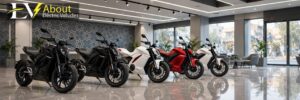
Electric bike in Pakistan prices roughly split into three bands. Budget models (Rs 145,000–180,000) suit students and short city trips. Mid-range bikes (Rs 180,000–250,000) are the commuter sweet spot, with lithium batteries and 80–100 km of claimed range. Premium models (Rs 250,000–355,000) add bigger motors, better build, and longer range. For comparison, a petrol Honda CD 70 costs around Rs 165,000 on the road — so a budget electric bike is now priced close to a petrol 70, before any subsidy.
The PAVE Subsidy: Rs 80,000 Off
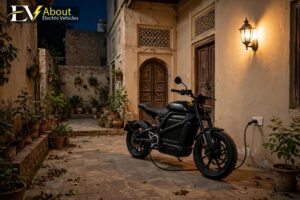
The biggest reason the electric bike in Pakistan suddenly looks affordable is the PAVE scheme — the Pakistan Accelerated Vehicle Electrification programme, run by the Engineering Development Board under the New Energy Vehicle Policy 2025–2030.
The headline facts:
- Subsidy: a fixed Rs 80,000 per electric bike, paid to the manufacturer, so the buyer pays the net price.
- Phase 1: 40,000 electric bikes (plus 1,000 rickshaws and loaders) — so popular it drew over 269,000 applications.
- Phase 2: 76,000 more e-bikes, with balloting replaced by first-come, first-served — applying early in a round matters more than luck now.
- Eligibility: Pakistani citizen with a valid CNIC, aged 18 or older; registration of the vehicle with the authorities is mandatory for the subsidy claim.
- How to apply: register on the official portal pave.gov.pk with your CNIC and mobile number, choose self-finance or bank leasing, and buy from an approved manufacturer.
On a Rs 149,900 Jolta JE-70D, an Rs 80,000 subsidy would cut the effective price to roughly Rs 70,000 — less than half the price of a petrol 70. That is the single biggest reason to check PAVE eligibility before paying full price. Two warnings: for the electric bike in Pakistan subsidy, apply only on pave.gov.pk (similar-looking private sites are not the government portal), and never pay an agent a “registration fee”. Quotas are fixed, so a round can close as soon as it fills.
Running Costs: Electric vs Petrol
This is where an electric bike in Pakistan earns its money back. Work through a realistic example: a rider doing 50 km a day, six days a week — about 1,300 km a month.
Petrol bike: a 70cc bike doing roughly 50 km per litre needs about 26 litres a month. At around Rs 380 per litre, that is roughly Rs 9,900 a month in fuel alone, or about Rs 7–8 per kilometre — before engine oil, tuning, and plug changes.
Electric bike: a full charge takes roughly 2–3 units of electricity and covers 80–100 km. At a typical household tariff of around Rs 35 per unit, that is roughly Rs 70–105 per charge, or about Rs 1 per kilometre. Monthly charging for the same 1,300 km costs roughly Rs 1,300.
The saving on an electric bike in Pakistan is roughly Rs 8,000+ a month for a heavy commuter — enough to recover the price difference over a petrol bike within a year or so, even without the subsidy. Lighter riders save less, but the gap is still large: electricity is simply far cheaper per kilometre than petrol at current prices. Note that tariffs and petrol prices change — Pakistan moved to daily petrol pricing in 2026 — so re-check both numbers before you buy.
Range, Charging, and Batteries
Claimed range figures for the electric bike in Pakistan are optimistic. A bike advertised at 100 km will typically deliver 70–85 km in real city riding, less with a pillion, hills, or aggressive throttle use. Treat claimed range as a best case, and buy 20–30% more range than your daily distance.
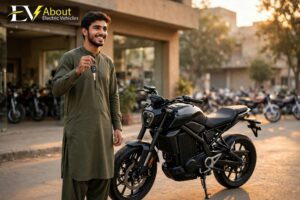
Charging is simple: almost all models charge from an ordinary home socket, no special wiring needed, in roughly 4–8 hours depending on battery size. Overnight charging is the norm — plug in when you get home, ride out full in the morning.
Battery type matters more than brand marketing:
- Lead-acid: cheapest, but heavier, shorter-lived (often 1–2 years of daily use), and slower to charge.
- Lithium-ion: lighter, longer-lived (typically 3–5 years), and the best choice for daily commuters despite the higher price.
- Graphene: marketed as a middle path — better life than lead-acid at a lower price than lithium. Check the written warranty, not the label.
Load shedding is the obvious worry. The practical answer is overnight charging matched to your area’s supply, plus a buffer: never plan a day that needs 100% of the claimed range.
Which Electric Bike in Pakistan Should You Buy?
Match the bike to the rider, not the advertisement:
- Students and short trips: a budget model like the Jolta Sparrow or JE-70D. Cheap to buy, cheap to run, and enough range for campus and city errands.
- Daily office commuters: a mid-range lithium model like the Jolta JE-100L or Metro T9. The lithium battery pays for itself in lifespan, and 90–100 km of claimed range covers a real 60–70 km day.
- Longer routes or hilly areas: a premium model like the Metro M6 Empower or Yadea G5, with a stronger motor and more battery headroom.
- Women riders and step-through fans: scooty-style models such as the Metro E8S Pro, which several schemes list with a reserved quota for female students and commuters.
Before paying for an electric bike in Pakistan, run this checklist: is there an authorised dealer and service point in your city? What is the written battery warranty, and does it cover capacity loss? Is the battery removable (useful if you park away from a socket)? Are spare parts — controller, charger, tyres — actually stocked locally? A bike is only as good as its after-sales network, and that network is still thin outside Karachi, Lahore, and Islamabad.
Problems to Know Before Buying
An honest guide to the electric bike in Pakistan has to mention the downsides. First, resale values are immature: the used market for electric bikes in Pakistan is small, so expect a bigger first-year drop than a petrol Honda, which holds value famously well. Second, battery replacement is the big future bill — a lithium pack can cost a large fraction of the bike’s price, so the warranty terms matter enormously; our guide to electric bike battery replacement cost explains the maths in detail.
Third, water and monsoon riding need care: avoid deep standing water, and dry the charging port before plugging in. Fourth, service quality varies wildly by dealer — buy from a dealer with a real workshop, not just a showroom. None of these are deal-breakers for a daily commuter, but they are reasons to buy a proven model with local support rather than the cheapest unknown import.
FAQs
Q.1 What is the price of an electric bike in Pakistan in 2026?
Budget models start around Rs 145,000 (Jolta Sparrow), mid-range commuters run Rs 180,000–250,000 (Metro T9, Jolta JE-100L), and premium models reach Rs 355,000 (Jolta JE-150L). Prices vary by city, dealer, and battery variant.
Q.2 How do I get the Rs 80,000 PAVE subsidy?
Register on the official portal pave.gov.pk with your CNIC, choose self-finance or bank leasing, and buy an approved model from an approved manufacturer. The Rs 80,000 subsidy is paid to the manufacturer, so you pay the net price. Phase 2 is first-come, first-served.
Q.3 Do I need a driving licence for an electric bike in Pakistan?
PAVE eligibility itself does not require a driving licence, and low-power electric bikes are widely used without one — but registration with the authorities is mandatory for the subsidy, and traffic rules vary by province, so check your local Excise and police requirements before riding.
Q.4 What is the real range of an electric bike in Pakistan?
Expect 70–85% of the claimed figure in real city riding. A bike claiming 100 km will usually deliver 70–85 km, less with a pillion or on hills. Buy 20–30% more range than your daily distance.
Q.5 How long does charging an electric bike in Pakistan take, and what does it cost?
Most models charge from a home socket in 4–8 hours. A full charge uses roughly 2–3 electricity units — around Rs 70–105 at typical household tariffs — for 80–100 km, or about Rs 1 per kilometre.
Q.6 Does load shedding make an electric bike impractical?
For most riders, no. Overnight charging covers a normal day, and keeping a range buffer handles short outages. It becomes a problem only if your daily distance needs the bike’s full claimed range with no margin.
Conclusion
The electric bike in Pakistan has crossed from novelty to genuine value in 2026: budget prices near a petrol 70, an Rs 80,000 subsidy that can nearly halve the cost, and running costs around Rs 1 per kilometre against roughly Rs 7–8 for petrol. The smart buy is a mid-range lithium model from a dealer with real after-sales support in your city, with 20–30% more range than you need, and — if you qualify — through PAVE before the round fills.
Check the subsidy first, confirm the price with an authorised dealer, and let the fuel savings do the rest.