
The Fisker Ocean is a battery-electric SUV that attracted attention with its long driving range, clean design, solar roof option, and technology-focused cabin. It was developed by Fisker, the EV company founded by designer Henrik Fisker, and production began in Austria. The Ocean entered the market as a five-seat electric crossover, but its story changed quickly. Fisker filed for Chapter 11 bankruptcy protection in June 2024, and new vehicle production stopped. Today, the Fisker Ocean is mainly a used electric SUV, making its specifications, software support, charging, and repair options important for buyers.
What Is the Fisker Ocean?
The Fisker Ocean is a midsize electric crossover designed for everyday driving. It was offered with different battery sizes, motor configurations, and equipment levels. The lineup included Sport, Ultra, and Extreme versions in the U.S. market, along with the limited Ocean One launch edition.
Unlike a gasoline SUV, the Ocean uses a battery and electric motors instead of an internal-combustion engine. Depending on the version, it can use front-wheel drive or dual-motor all-wheel drive. The vehicle emphasizes software, digital controls, connected functions, and energy efficiency.
Fisker Ocean Design and Interior
The exterior of the Fisker Ocean was designed to look modern while keeping a smooth, aerodynamic shape. Inside, the SUV seats five people and offers a large central touchscreen. One unusual feature is the rotating center display, which can change between portrait and landscape orientations.
Fisker also promoted California Mode, which opens several glass and roof sections to create a more open cabin. The company used recycled and animal-free materials in several interior areas, adding to the vehicle’s sustainability-focused identity.
Fisker Ocean Battery and Range
Battery capacity and driving range depend on the trim. The entry-level Ocean Sport used a smaller battery and front-wheel drive, while higher versions used larger packs and, in some cases, two motors.
The highest official range figure associated with the Ocean was about 360 miles under the EPA test cycle for the top Extreme configuration. Actual range can change with model year, wheels, tires, weather, speed, battery condition, and driving style.
The large battery was one of the Ocean’s strongest selling points. Longer range can make an electric SUV more practical for road trips, but range should not be the only factor in a used-car purchase. Battery condition, charging performance, software, and service support also matter.
Fisker Ocean Charging
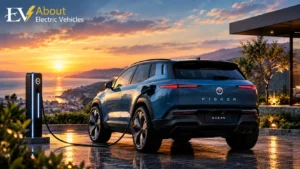
The Fisker Ocean supports AC charging for regular use and DC fast charging for longer trips. Charging speed can vary with battery temperature, state of charge, charger capability, and vehicle software.
DC charging is generally fastest when the battery has a lower state of charge, while power normally decreases as the battery becomes fuller. Used-car buyers should test both normal and fast charging when possible. A charging problem can be harder to resolve when manufacturer support is limited.
Fisker Ocean Performance
Performance also changes by trim. Dual-motor versions combine front and rear electric motors and provide all-wheel-drive traction. The Ocean One and Extreme were positioned as higher-performance versions, with outputs reaching roughly 564 horsepower according to published specifications.
Electric motors provide quick response from low speeds. However, aggressive acceleration, high speeds, cold weather, and heavy use of heating or air conditioning can reduce efficiency and driving range.
Fisker Ocean Technology and Features
Technology was a major part of the Ocean’s identity. The SUV included a large touchscreen, digital vehicle controls, connected functions, driver-assistance features, and software-based updates.
Some versions included a solar roof, which Fisker said could add energy to the battery under favorable conditions. The company also offered advanced driver-assistance functions and a digital interface designed to control many vehicle settings.
The Ocean’s dependence on software became a bigger issue after Fisker’s financial collapse. Some connected functions relied on company infrastructure, creating concerns about long-term support and functionality.
What Happened to Fisker?
Fisker’s financial problems became increasingly serious during 2024. The company struggled with cash flow, production, deliveries, service, and customer support. In June 2024, Fisker filed for Chapter 11 bankruptcy protection in the United States.
A bankruptcy court later approved a liquidation plan. Fisker also sold thousands of remaining Ocean vehicles to American Lease at a heavily reduced price, according to Reuters. This ended the company’s attempt to continue normal vehicle production.
The bankruptcy does not mean every Fisker Ocean suddenly stops working. The cars remain physical vehicles with batteries, motors, electronics, and mechanical components. The larger issue is long-term access to parts, software, connected services, recalls, and trained repair support.
Fisker Ocean Recalls and Safety
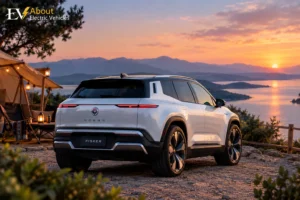
The Ocean has had recalls involving software, doors, and other systems. Because the manufacturer entered bankruptcy, recall support became more complicated.
Fisker’s support information stated that enrollment for repair and reimbursement related to published NHTSA recalls for 2023 Ocean vehicles was open through June 30, 2026. Owners should check current information directly with NHTSA and available support channels rather than assuming that an old recall has been completed.
For any used Ocean, checking the vehicle identification number is an important step before purchase. Buyers should confirm open recalls, completed repairs, software version, and service history.
Fisker Ocean Ownership After Bankruptcy
Owning a Fisker Ocean today is different from owning an EV from an active major automaker. Independent owner communities have become important sources of technical information and practical support.
Owners have shared repair knowledge, replacement-part information, and ways to maintain some vehicle functions after the company disappeared. This community activity can help, but it does not replace official manufacturer support.
Potential buyers should therefore consider parts availability, insurance, repair expertise, charging performance, software condition, connected services, and the cost of keeping the vehicle on the road.
Is the Fisker Ocean Still Worth Considering?
The answer depends on the buyer’s priorities and willingness to accept ownership uncertainty. The Ocean offers SUV practicality, long-range capability, distinctive styling, and strong electric performance in higher trims. Used examples can also be priced much lower than when new.
At the same time, the bankruptcy creates risks thatare uncommon with vehicles from operating manufacturers. Future software support, replacement parts, connected features, and specialized repairs may be less predictable.
A careful inspection is essential. Buyers should check battery health, charging operation, warning messages, software behavior, climate control, doors, windows, cameras, infotainment, tires, brakes, and suspension. It is also sensible to investigate insurance availability and local repair options before buying.
Fisker Ocean Trim Levels Explained
The Fisker Ocean was sold in several versions, and understanding the differences is useful when shopping for a used example. The Sport was positioned as the more accessible version and used a single electric motor. Ultra and Extreme versions added stronger performance, larger batteries, or more equipment depending on the market and production configuration. Ocean One was a limited launch version based on the higher specification.
Battery and Motor Choices
Single-motor versions focus on simpler front-wheel-drive operation, while dual-motor versions provide all-wheel drive and substantially more power. The choice affects acceleration, traction, energy consumption, and range.
Buyers should confirm the exact trim and equipment through the vehicle identification number rather than relying only on a seller’s listing.
Software Matters on a Used Ocean
A used Fisker Ocean should be evaluated as both a vehicle and a software-dependent product. Check the touchscreen, cameras, driver displays, climate controls, key functions, charging controls, mobile connectivity, and other electronic systems during an inspection.
Some functions may behave differently depending on software status and whether connected services remain available.
Check the Vehicle Before Paying
A pre-purchase inspection by a technician familiar with EVs can help identify battery, charging, suspension, brake, tire, and electrical problems. Buyers should keep copies of repair records and recall documentation. Because the company is no longer producing the SUV, documentation can become especially valuable for future repairs or resale.
FAQs
Q.1 Is the Fisker Ocean still being made?
No. Fisker filed for bankruptcy protection in 2024, and production of new Ocean vehicles ended.
Q.2 How far can a Fisker Ocean travel?
The top EPA-rated configuration was advertised at about 360 miles. Real-world range varies with trim, weather, speed, wheels, battery condition, and driving style.
Q.3 Is the Fisker Ocean fully electric?
Yes. The Ocean is a battery-electric SUV and does not use a gasoline engine for propulsion.
Q.4 How many people can the Fisker Ocean carry?
The Ocean has seating for five people.
Q.5 Should I buy a used Fisker Ocean?
A used Ocean should be considered carefully. Check battery health, charging, recalls, software, service history, parts availability, insurance, and local repair support before buying.
Q.6 What is the biggest concern with owning one today?
The main concern is long-term manufacturer support following Fisker’s bankruptcy. Parts, software, connected services, and specialized repairs may require more effort than with a vehicle from an active automaker.
Another point to consider is resale value. Because the brand is no longer producing new Oceans, used-market prices can vary significantly by location, mileage, trim, and condition. A low purchase price does not automatically mean low ownership costs. Insurance, tires, charging equipment, repairs, and unexpected electronic issues can affect the total cost. Buyers should compare the complete ownership picture with other used electric SUVs before purchasing. This is especially important for drivers who depend on their vehicle every day for commuting, family trips, or long-distance travel every single day.
Conclusion
The Fisker Ocean remains an interesting electric SUV because it combines a distinctive design, useful range, modern technology, and strong performance in its higher trims. Its position in the market, however, is very different from when it was launched. Fisker’s bankruptcy ended new production and created uncertainty around long-term software, parts, service, and connected features.
For someone considering a used Ocean, the individual vehicle matters more than the original brochure specifications. A healthy battery, working charging system, complete service records, updated software, and access to repair support can make ownership more practical. Buyers should also check recalls and inspect the vehicle carefully before making a decision.
The Fisker Ocean is therefore best understood as a discontinued EV with attractive hardware but unusual ownership considerations. Its future will depend largely on the condition of existing vehicles, independent repair support, available parts, and the ability of owners to keep these SUVs operating for years to come.