
An electric SUV combines the raised driving position and practical space of an SUV with an electric powertrain. Today, buyers can choose from compact crossovers, midsize family models, luxury vehicles, and large three-row electric SUVs. The best electric SUV for you depends on more than range or horsepower. Charging, interior space, efficiency, battery size, safety, price, and everyday comfort all matter.
This guide explains what to check before buying an electric SUV. The goal is simple: help you choose a vehicle that fits your driving habits instead of paying for features you may rarely use.
What Is an Electric SUV?
An electric SUV is a sport utility vehicle powered mainly by electricity stored in a rechargeable battery. Instead of a gasoline engine, it uses one or more electric motors. The SUV shape gives buyers useful advantages such as easier entry, a higher seating position, flexible cargo space, and room for passengers. Electric versions add quiet operation, instant motor response, and no tailpipe emissions while driving. The market now includes compact, midsize, luxury, and large electric SUVs.
Why Choose an Electric SUV?
An electric SUV can make sense when you want the practicality of an SUV without using gasoline for normal driving. Another advantage is charging at home. If you have suitable home charging, you can plug in while the vehicle is parked and begin many days with enough energy for your normal driving.
How Much Range Does an Electric SUV Need?
Range should match your routine rather than simply being as high as possible. If you mostly drive in a city, moderate range may be enough. If you regularly travel between cities, you will probably value a larger range buffer and strong fast-charging performance.
Official range figures are useful for comparing vehicles, but real-world results can differ. Speed, temperature, road conditions, traffic, terrain, tires, and climate control all affect energy consumption. Edmunds’ 2026 testing found more than 50 EVs exceeding 300 miles in its real-world range testing, although results vary by model.
Electric SUV Charging
Charging is one of the most important parts of EV ownership.
Level 1
charging uses a standard household outlet and is the slowest option. It can work for drivers with low daily mileage and long parking periods.
DC fast charging is mainly useful for road trips and situations where you need to add range quickly. Charging performance differs greatly between EVs, so do not compare vehicles only by their maximum advertised charging power. Edmunds’ 2026 charging tests show substantial differences between EVs in the amount of range they can add during a charging session.
Home Charging for an Electric SUV
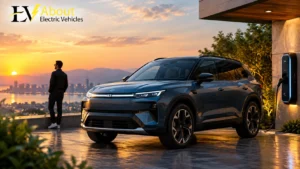
Home charging can make an electric SUV much easier to live with. Instead of visiting a station every time the battery gets low, you can plug in after parking and charge while you sleep. Before buying, check whether your home can support the charging equipment you want. Installation may depend on your electrical panel, wiring distance, available space, and local requirements. If home charging is not possible, check public chargers near home, work, and regular routes before buying.
Battery Size and Efficiency
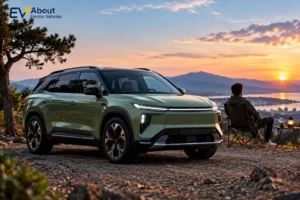
A larger battery can provide more range, but it also adds weight and can increase the vehicle’s price. Efficiency matters because two electric SUVs with similar battery capacities can travel different distances. A lighter, more aerodynamic, or more efficient model may need less electricity to cover the same route.
When comparing vehicles, look at battery capacity, estimated range, and energy consumption together. Do not assume the biggest battery automatically provides the best value.
Best Electric SUV for Families
Families often need an electric SUV with more than a good range figure. Check rear-seat space, cargo capacity, door openings, child-seat compatibility, storage areas, and the position of charging ports. If you regularly carry several passengers, a three-row model may be worth considering. Test the cargo area with the items you normally carry rather than relying only on specifications.
For 2026, Edmunds ranks the Hyundai Ioniq 9 highly among midsize options and the Rivian R1S among large luxury choices. Rankings can guide research, but your needs should decide.
Electric SUV for Long-Distance Driving
Long trips require more than a large battery. Fast charging matters because quicker range recovery can reduce travel stops. Battery temperature and state of charge also affect actual charging time. Plan long trips around charging locations rather than waiting until the battery is nearly empty.
Electric SUV Safety
Safety should be part of your research before you compare colors, screens, or acceleration numbers. Look at independent crash-test results and check which safety systems are standard. Useful features can include automatic emergency braking, blind-spot monitoring, lane assistance, rear cross-traffic alerts, and adaptive cruise control.
Driver-assistance technology can reduce workload, but it does not replace an attentive driver. During a test drive, check visibility, seating position, brake feel, and controls.
Electric SUV Size and Practicality
Size affects more than passenger room. A large electric SUV may provide extra cargo capacity and seating but can be harder to park, heavier on tires, and less efficient. A compact electric SUV can be easier to maneuver and may cost less.
Think about where you drive and park. Crowded streets and small parking spaces may favor a compact model.
New vs. Used Electric SUV
A new electric SUV gives you access to the latest battery technology, updated software, fresh warranty coverage, and current safety features. A used EV can offer stronger value because the first owner has already absorbed some depreciation. However, you should inspect battery health, charging performance, remaining warranty, service history, accident history, and tire condition.
Do not choose a used electric SUV only becauseits purchase price is low. The condition of the battery and the remaining warranty can have a major effect on long-term value.
Electric SUV Maintenance
EVs have fewer traditional powertrain components than gasoline vehicles and no engine oil changes. Maintenance still includes tires, brakes, suspension, cabin filters, cooling systems, and other components. Regenerative braking can reduce friction-brake use, while tire wear can remain important because EVs can be heavy. Follow the maintenance schedule for the specific vehicle instead of assuming every EV needs the same service.
Electric SUV Cost
Purchase price is only one part of the cost. Include charging equipment, electricity, insurance, tires, maintenance, financing, and depreciation. A cheaper model may cost more to own. If you are comparing a new and used electric SUV, calculate how long you plan to keep it and estimate the total cost over that period.
All-Wheel Drive or Rear-Wheel Drive?
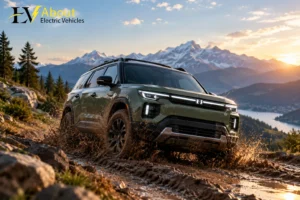
Your choice should depend on how and where you drive. All-wheel drive can provide extra traction and is useful for buyers who regularly face slippery roads or want additional performance. It usually adds weight and can reduce efficiency compared with a similar rear-wheel-drive version. Rear-wheel drive can be perfectly suitable for normal commuting and may offer better efficiency.
Do not pay for all-wheel drive simply because it sounds more capable. Choose it when the added traction or performance has real value for your driving.
My Practical Approach to Choosing an Electric SUV
If I were buying an electric SUV, I would start with my daily routine. I would measure my normal driving distance, check whether I could charge at home, and identify how often I take long trips. Then I would set a realistic range target.
After that, I would compare charging speed, interior space, efficiency, battery warranty, safety, insurance, and total ownership cost. I would test-drive two or three vehicles and check seating, cargo space, visibility, ride quality, and charge-port location. For a used model, battery health and vehicle history would be high on my checklist.
FAQs About Electric SUV
Q.1 What is the best electric SUV?
There is no single best electric SUV for every buyer. Current choices range from compact models to large three-row vehicles. Your budget, range needs, charging access, space requirements, and driving style should determine the best match.
Q.2 Are electric SUVs good for families?
Yes. Many provide generous passenger space, flexible cargo areas, and easy electric operation. A three-row model may be better for larger families, while a compact crossover can be enough for smaller households.
Q.3 How far can an electric SUV travel?
Range varies widely by model. Some modern electric SUVs can travel more than 300 miles under official or independent testing, while smaller or performance-focused models may offer less. Real-world range depends on driving conditions.
Q.4 Is an electric SUV expensive to maintain?
Maintenance can be simpler than with a gasoline SUV because the electric powertrain has fewer traditional components. However, tires, brakes, suspension, cooling systems, and other parts still cost money to maintain.
Q.5 Is an electric SUV good for road trips?
It can be, especially when the vehicle has useful range, fast charging, and convenient access to public chargers. Route planning is more important than it is with a gasoline vehicle.
Q.6 Should I buy a used electric SUV?
A used model can be a good value if the battery is healthy and the vehicle has suitable remaining warranty coverage. Always check battery condition and vehicle history before buying.
Conclusion
An electric SUV can be a good choice when you need SUV practicality but want an electric powertrain. The growing market now includes affordable compact crossovers, family-friendly midsize models, luxury vehicles, and large three-row options. A right model is not necessarily the one with the longest range or highest power. Focus on your daily distance, charging access, battery size, efficiency, interior space, safety, price, and long-term ownership costs.
If you can charge conveniently at home and choose a model that fits your driving needs, an electric SUV can provide a comfortable and practical way to switch to electric driving.