
Electric car batteries are one of the most important parts of an electric vehicle. They store the electricity that powers the electric motor and help determine how far the car can travel on one charge. Battery size, charging speed, battery chemistry, temperature, and driving habits can all affect EV performance. If you are planning to buy an electric car, understanding electric car batteries can help you choose the right vehicle and take better care of it.
What Are Electric Car Batteries?
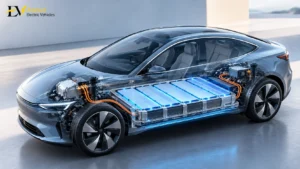
Electric car batteries are rechargeable battery packs that store electrical energy for an electric vehicle. Most modern EVs use lithium-ion battery technology because it can store a large amount of energy without adding too much weight. A battery pack contains many small cells. These cells are grouped into modules and connected together to create the complete battery pack.
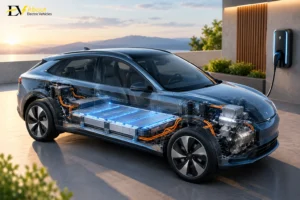
When you charge an EV, electricity is stored inside the battery. When you drive, that stored energy is sent to the electric motor, which moves the car.
How Do Electric Car Batteries Work?
The basic process is simple. First, the car is connected to a charger. Electricity flows into the battery and is stored as chemical energy. When you drive, the battery sends electrical energy to the motor. The motor converts that energy into movement. EVs can also recover some energy while slowing down. This is called regenerative braking. It sends some energy back to the battery instead of losing all of it as heat during braking.
This system can be especially useful in city traffic, where the car frequently slows down and accelerates.
Electric Car Battery Capacity Explained
Battery capacity is measured in kilowatt-hours (kWh). A higher kWh number generally means the battery can store more energy. For example, a 60 kWh battery stores more energy than a 40 kWh battery. However, a bigger battery does not always mean a better EV. Larger batteries can increase the vehicle’s weight and price. The right battery size depends on how far you drive, where you drive, and how easily you can charge your car.
Simple Battery Example
Suppose an EV has a 60 kWh battery and uses 15 kWh to travel 100 km.
A simple calculation is:
60 ÷ 15 × 100 = 400 km
So, the estimated range would be about 400 km under these assumed conditions. Real-world range can be lower because of speed, weather, road conditions, passengers, heating, or air conditioning.
How Long Do Electric Car Batteries Last?
Battery life is one of the biggest questions for EV buyers. Modern electric car batteries are designed to last for many years. Battery capacity gradually decreases over time, a process known as battery degradation. Recent real-world data from Geotab analyzed more than 22,700 EVs across 21 vehicle models and found average battery degradation of about 2.3% per year.
However, the rate varies between vehicles and operating conditions. This means battery performance usually decreases slowly rather than suddenly stopping. Battery warranty is also important. Many EV manufacturers provide long-term coverage for the high-voltage battery, but the exact years, mileage, and capacity coverage depend on the manufacturer and market.
What Causes Battery Degradation?
Several things can affect the health of electric car batteries.
High Temperatures
Very hot conditions can put extra stress on a battery. Modern EVs use battery-management and cooling systems to control temperature, but climate can still affect long-term battery health.
Frequent High-Power Fast Charging
DC fast charging is very useful when you are travelling. However, frequent use of very high-power charging can increase battery stress. Geo tab’s recent analysis found that vehicles using high-power DC charging above 100 kW heavily experienced faster degradation than vehicles mainly using lower-power charging. This does not mean you should avoid fast charging. It simply means that fast charging is most useful when you actually need it.
Extreme Charge Levels
Keeping a battery at very high or very low charge levels for long periods can also increase stress. For everyday use, follow the charging recommendations provided by the vehicle manufacturer.
How to Keep Electric Car Batteries Healthy
Good charging habits can help maintain battery health.
Follow the Manufacturer’s Instructions
Every EV is different. Check the owner’s manual for recommended charging limits, storage instructions, and battery-care advice.
Avoid Extreme Heat When Possible
Parking in a shaded or suitable place during very hot weather can help reduce unnecessary heat exposure.
Use Fast Charging When Needed
DC fast charging is excellent for road trips and situations where you need energy quickly. For regular charging, AC charging at home or work can be a convenient option.
Do Not Leave the Car Unused for Long at Extreme Charge Levels
If you will not use the car for a long period, follow the manufacturer’s recommended storage charge level.
How Long Does It Take to Charge an EV Battery?
Charging time depends on several things, including the battery size, charger power, how much charge the battery already has, and how fast the car can accept a charge.
AC Charging
AC charging is commonly used at homes and workplaces. It works well when the car is parked for a few hours, giving it enough time to charge slowly.
DC Fast Charging
DC fast charging can charge an EV much faster, which makes it useful on long trips. But charging speed also depends on the car. Even if you use a powerful charger, the EV can only charge as fast as its own maximum charging rate allows.
Electric Car Battery Charging Cost
You can estimate charging cost with a simple formula:
Energy used × electricity price = charging cost
For example, if you use 50 kWh and electricity costs ₹8 per kWh:
50 × ₹8 = ₹400
So, the estimated electricity cost is ₹400. Your actual cost can be different depending on charging losses, electricity rates, the charging station, and how much energy the car needs. Public charging can also have different prices from home charging.
What Are the Main Types of Electric Car Batteries?
Most modern EVs use lithium-ion technology, but different battery chemistries are available.
NMCBatteries
NMC stands for nickel manganese cobalt. These batteries can provide high energy density, making them useful for EVs that need good range without an extremely large battery.
LFP Batteries
LFP stands for lithium iron phosphate. These batteries are known for good durability and thermal stability and are used in many modern EVs. There is no single battery chemistry that is best for every car. Manufacturers choose battery technology based on range, cost, performance, safety, and vehicle design.
Can Electric Car Batteries Be Replaced?
Yes, electric car batteries can be replaced if necessary. However, replacement cost can vary significantly depending on the vehicle, battery size, battery chemistry, parts, and labor. A battery problem does not always mean the entire pack needs to be replaced. Depending on the vehicle and available service support, individual components or modules may sometimes be repaired or replaced. This is why checking the battery warranty before buying an EV is important.
How Much Do Electric Car Batteries Cost?
There is no fixed price for electric car batteries. A small battery pack will normally cost less than a large battery used in a premium electric SUV. The final cost can also depend on labor, parts availability, battery design, and whether the complete pack needs replacement. Instead of looking only at possible replacement costs, check the battery warranty and local service support before buying an EV.
How to Check Battery Health in a Used EV
If you are buying a used electric car, battery condition should be one of your main checks.
Ask for:
- Battery health or State of Health (SOH) information
- Remaining battery warranty
- Service records
- Charging history, if available
- Accident and flood history
- A professional EV inspection
Battery health tells you how much of the original battery capacity is still available.
For example, if a 60 kWh battery has 90% State of Health, its effective capacity is roughly:
60 × 0.90 = 54 kWh
That means the battery can store about 54 kWh compared with 60 kWh when it was new.
Do Electric Car Batteries Need Maintenance?
Electric car batteries do not need the same maintenance as a petrol engine because there is no engine oil, spark plug, or traditional engine system. However, the battery-management system, cooling system, electrical components, and charging system still need to work properly. Regular vehicle servicing is still important. Follow the manufacturer’s service schedule and report unusual battery warnings or charging problems.
Can Electric Car Batteries Be Recycled?
Yes. EV batteries can be recycled, and valuable materials can be recovered from many lithium-ion battery components. Recycling can help reduce waste and support the recovery of materials used to produce new batteries. Some older EV batteries may also have a second life in stationary energy-storage systems after they are no longer suitable for normal vehicle use.
Signs of a Battery Problem
Some signs may indicate that electric car batteries need professional inspection:
- A sudden and major drop in range
- Charging problems
- Repeated battery warning messages
- Unusual changes in battery percentage
- Unexpectedly slow charging
- Battery-related error codes
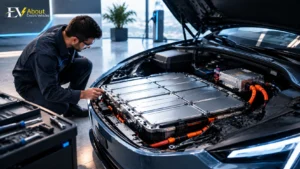
If you notice these problems, contact the manufacturer’s service center or a qualified EV technician. Do not attempt to open or repair a high-voltage battery yourself.
Are Bigger Electric Car Batteries Better?
Not always. A larger battery can provide more range, but it can also make the vehicle heavier and more expensive. If you mainly drive short distances around the city, a smaller battery may be enough. If you regularly travel long distances, a larger battery and fast charging may be more useful. The best battery is the one that matches your driving needs.
FAQs About Electric Car Batteries
Q.1 How long do electric car batteries last?
Electric car batteries are designed to last for many years. Their capacity gradually decreases over time, but modern EV batteries generally provide long-term service. Battery life varies by vehicle, climate, charging habits, and battery design.
Q.2 Do electric car batteries lose range over time?
Yes. Battery degradation slowly reduces the amount of energy the battery can store, which can reduce the vehicle’s available range.
Q.3 Is fast charging bad for electric car batteries?
Fast charging is not automatically harmful. It is useful for long trips, but frequent high-power DC charging can increase battery degradation compared with lower-power charging.
Q.4 How can I make electric car batteries last longer?
Follow the manufacturer’s charging recommendations, avoid unnecessary extreme temperatures, use fast charging when needed, and avoid leaving the car unused for long periods at extreme charge levels.
Q.5 How much does an electric car battery cost?
There is no standard price. The cost depends on the vehicle, battery size, chemistry, parts, labor, and whether the complete battery pack needs replacement.
Q.6 What does kWh mean in an EV?
kWh means kilowatt-hour. It is the unit used to measure how much electrical energy a battery can store.
Q.7 Can electric car batteries be recycled?
Yes. Many battery materials can be recovered through recycling, and some used EV batteries can also be repurposed for energy storage.
Conclusion
Electric car batteries are the heart of an electric vehicle. They affect range, charging time, performance, running cost, and long-term ownership. When choosing an EV, do not look at battery size alone. Check the battery capacity, real-world range, charging speed, warranty, battery chemistry, and charging options.
With sensible charging habits and proper care, modern electric car batteries can provide reliable performance for many years. Understanding battery health and charging basics can help you choose the right EV and get better long-term value from it.