
If you want to convert a traditional motorcycle into an electric motorcycle, choosing the right electric Motorcycle conversion kit is one of the most important decisions you will make. A properly matched conversion system can replace the motorcycle’s gasoline powertrain with an electric motor, battery, controller, and supporting components.
However, finding the best electric bike conversion kit is not simply about choosing the motor with the highest wattage. Motor power, battery capacity, voltage, torque, controller compatibility, motorcycle size, brakes, installation requirements, and overall system design all need to work together. This guide explains how an electric bike conversion kit works, what to look for before buying one, how battery and motor specifications affect performance, and what to consider when converting a motorcycle to electric power.
What Is an Electric Motorcycle Conversion Kit?
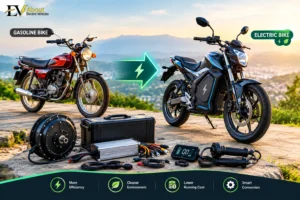
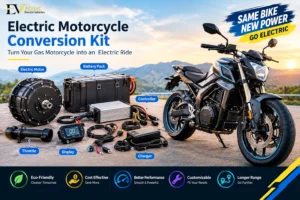
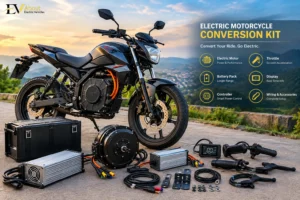
An electric motorcycle conversion kit contains the major components needed to replace a conventional motorcycle’s gasoline powertrain with an electric drive system. Depending on the kit, components may include an electric motor, motor controller, battery pack, throttle, display, wiring, battery management system, charger, mounting hardware, and other electrical components.
The basic idea is straightforward: instead of replacing the entire motorcycle with a factory-built electric model, you modify an existing motorcycle and install an electric powertrain. A successful conversion requires more than installing a motor. The battery, controller, motor, frame, brakes, suspension, wheels, and electrical system all need to be suitable for the intended performance.
How to Choose the Best Electric Motorcycle Conversion Kit
The right electric Motorcycle conversion kit depends on the motorcycle you want to convert and how you plan to use it. Before buying a kit, consider your expected riding distance, desired speed, terrain, motorcycle weight, available battery space, and required performance. A commuter motorcycle used mainly in city traffic may not need the same system as a heavier motorcycle intended for higher-speed riding or steep hills.
1. Choose the Right Motor Type
The electric motor is the heart of an electric motorcycle conversion. Conversion systems can use different motor designs, including hub motors and mid-drive or centrally mounted motor systems. A hub motor is integrated into a wheel and can simplify the mechanical layout. However, the wheel, axle, suspension, brakes, and frame must be suitable for the motor’s weight and output.
A centrally mounted motor can drive the motorcycle through a chain or belt system. This type of setup can provide more flexibility in gearing and can be useful for applications where torque and performance are important. The best motor depends on the motorcycle’s size, intended speed, weight, gearing, and riding environment.
2. Check Motor Power and Torque
Motor power is commonly measured in watts or kilowatts. It is one of the first specifications buyers look at when choosing an electric bike conversion kit, but it should not be the only consideration. A higher-power motor can provide stronger acceleration and better performance under load, but it also requires an appropriate battery, controller, wiring, cooling system, drivetrain, and braking system.
Torque is equally important. High torque can help an electric motorcycle accelerate from a stop and climb hills more effectively. Instead of choosing the largest motor available, match the motor to the motorcycle’s weight, intended speed, terrain, and local regulations.
3. Battery Capacity and Range
The battery is one of the most important components of any electric motorcycle conversion. Battery capacity is commonly measured in watt-hours (Wh) or kilowatt-hours (kWh). A larger battery stores more energy and can potentially provide greater range, although actual range depends on many factors. Riding speed, motorcycle weight, rider weight, terrain, wind, acceleration, tire pressure, temperature, and riding style can all affect energy consumption.
For example, a motorcycle used mainly for city commuting may have different battery requirements from one used for longer highway trips. When choosing an electric bike conversion kit, consider the complete motor-and-battery system rather than looking at motor power alone.
4. Check Battery Voltage and Compatibility
Battery voltage must be compatible with the motor controller and motor. Common electric drive systems use different voltage levels depending on their power requirements. You should never select a battery simply because it has a higher voltage or larger capacity. The battery, controller, motor, charger, and battery management system should be designed to work together.
Battery current capability is also important. The battery must be capable of supplying the current demanded by the controller without exceeding its safe operating limits. Always follow the manufacturer’s specifications when matching these components.
5. Hub Motor vs. Central Motor
One of the important decisions in an electric motorcycle conversion is choosing the motor configuration. A hub motor places the motor inside the wheel. This can simplify the drivetrain because the motor does not need a traditional chain or belt drive to transfer power to the wheel.
A centrally mounted motor can provide a more conventional drivetrain arrangement. Power can be transferred through a chain or belt, and the motorcycle’s gearing can potentially be used to improve acceleration and climbing performance. Neither design is automatically right for every motorcycle. A hub motor may appeal to someone looking for a simpler layout, while a central motor can be useful when drivetrain flexibility, torque delivery, and mechanical integration are priorities.
6. Check Your Bike Compatibility First
Before buying an electric motorcycle conversion kit, check whether your motorcycle can physically and mechanically accommodate the system. Inspect the available space for the battery, motor, controller, charger, and wiring. Consider the motorcycle’s frame structure, wheel dimensions, suspension, brakes, drivetrain, and weight distribution.
Battery placement is particularly important. A large battery can add substantial weight, and placing that weight too high or too far from the motorcycle’s center can affect handling. The mounting system should also be strong enough to securely hold the battery and other components during normal riding. Do not assume that every conversion kit will fit every motorcycle.
7. Brakes and Safety Are Extremely Important
An electric conversion can change the motorcycle’s weight and performance. If the converted motorcycle accelerates faster or carries a heavier battery than the original setup, the braking system becomes even more important. Before installation, inspect the brake pads, rotors, calipers, lines, and other braking components.
A conversion should not compromise braking performance. The electrical system also needs proper protection. High-current battery wiring should be installed correctly, with suitable connectors, fuses, insulation, and protection against accidental damage. Incorrect electrical connections can damage components and create serious safety risks.
8. Controller, Throttle, and Display
The motor controller manages the flow of electrical power between the battery and motor. The controller must be compatible with the motor and battery and capable of handling the required voltage and current.
A throttle allows the rider to control motor output. Some systems may also include a display showing information such as speed, battery level, power usage, and other system data. When choosing an electric bike conversion kit, make sure the controller, throttle, display, motor, and battery are designed to operate as one compatible system.
DIY or Professional Installation?
Some electric motorcycle conversion projects can be completed by experienced DIY builders, while others require significant mechanical and electrical knowledge. Installation may involve removing the original engine and fuel-system components, mounting the electric motor and battery, installing the controller, routing high-current wiring, modifying the drivetrain, and integrating the throttle and other controls.
If you are not comfortable working with high-current electrical systems or modifying motorcycle components, professional installation can be the safer option. Never guess when connecting high-current battery wiring. Follow the conversion kit manufacturer’s instructions and use components that are rated for the system.
Common Electric Bike Conversion Mistakes
Choosing an electric Motorcycle conversion kit based only on price or motor wattage is one of the most common mistakes. Another mistake is selecting a battery that does not have enough capacity or current capability for the motor and controller. Compatibility is equally important. A motor may have impressive specifications but still be unsuitable for a particular motorcycle because of mounting, weight, drivetrain, wheel, or electrical limitations.
It is also important not to overlook brakes, suspension, tires, and frame condition. Finally, check local laws before starting a conversion. Requirements for converted electric motorcycles can vary by location, including rules related to power, speed, registration, licensing, equipment, and road use.
How to Get Better Range From an Electric Bike
Range depends heavily on how the motorcycle is ridden. Smooth acceleration, moderate speeds, correct tire pressure, reduced unnecessary weight, and proper drivetrain maintenance can help reduce energy consumption. Riding at very high speeds generally requires substantially more energy than moderate-speed riding.
Battery capacity can also be increased to provide more stored energy, but a larger battery adds weight, cost, and physical installation requirements. The goal should be to choose a battery that matches your actual riding needs instead of simply choosing the largest battery available.
Is an Electric Motorcycle Conversion Kit Worth It?
An electric motorcycle conversion can be an interesting option for riders who already own a suitable motorcycle and want to replace its gasoline powertrain with electric propulsion. The biggest advantages can include the ability to reuse an existing motorcycle frame, customize the motor and battery system, and create an electric motorcycle around specific performance requirements.
However, conversion is not suitable for every motorcycle. A motorcycle with a weak frame, worn suspension, poor brakes, damaged components, or limited space for a battery may require substantial additional work. The total cost should include the motor, battery, controller, charger, wiring, mounting hardware, brakes or suspension upgrades where necessary, and professional labor if required.
FAQs About Electric Motorcycle Conversion Kits
Q.1 What is an electric Motorcycle conversion kit?
An electric motorcycle conversion kit is a collection of components used to replace a motorcycle’s conventional gasoline powertrain with an electric motor and battery-based system. Depending on the kit, it may include the motor, controller, battery, charger, throttle, display, wiring, and mounting components.
Q.2 What should I look for in an electric Motorcycle conversion kit?
Look for motor power and torque, battery capacity, voltage compatibility, controller specifications, physical fitment, battery mounting options, braking requirements, and installation support. The complete system should match your motorcycle and intended riding conditions.
Q.3 Is a higher-power electric motor always better?
No. A higher-power motor may provide stronger performance, but it also requires a suitable battery, controller, wiring, drivetrain, cooling, and braking system. Choose motor power based on the motorcycle and your actual requirements.
Q.4 How much battery capacity do I need?
Battery requirements depend on your desired range, riding speed, motorcycle weight, terrain, and riding style. Instead of choosing a battery based only on capacity, make sure it can safely supply the current required by the motor and controller.
Q.5 Can any motorcycle be converted to electric?
No. Conversion depends on the motorcycle’s frame, available battery space, drivetrain, brakes, suspension, weight distribution, and other mechanical and electrical factors. Compatibility should be checked before purchasing a conversion kit.
Q.6 Is a hub motor better than a centrally mounted motor?
Neither is automatically better. A hub motor can simplify the drivetrain, while a centrally mounted motor can provide more flexibility for chain or belt-driven systems and gearing. The appropriate choice depends on the motorcycle and intended use.
Q.7 Can I install an electric Motorcycle conversion kit myself?
Some experienced builders can complete conversions themselves, but installation can involve high-current electrical wiring and significant mechanical modifications. If you do not have the required experience, professional installation is recommended.
Q.8 Does a larger battery always provide more range?
A larger battery stores more energy, but actual range also depends on speed, weight, terrain, wind, temperature, tires, and riding style. A larger battery also adds weight and cost.
Final Thoughts
Choosing the best electric Motorcycle conversion kit for an electric motorcycle is about finding the right balance between motor power, battery capacity, controller compatibility, range, safety, motorcycle fitment, and installation requirements.
Start with the motorcycle you already have. Check its frame, brakes, suspension, drivetrain, available battery space, and overall condition before selecting a conversion system. Then choose a motor and battery that match your expected speed, riding distance, terrain, and performance requirements. Do not focus only on impressive wattage numbers. A properly matched system is more important than simply choosing the most powerful components. With careful planning, compatible components, proper installation, and attention to safety, an electric bike conversion kit can provide a practical way to transform a conventional motorcycle into an electric-powered machine.