
An electric scooter is a practical way to travel short and medium distances without using gasoline. It uses a rechargeable battery and electric motor to move the rider, making it useful for commuting, campus trips, errands, and urban travel. The right electric scooter is not simply the one with the highest speed or biggest battery. Range, weight, brakes, tires, comfort, charging, reliability, and local riding rules all affect the ownership experience.
This guide explains what matters before buying, how an electric scooter works, and how to use one safely and efficiently.
What Is an Electric Scooter?
An electric scooter is a two-wheeled personal vehicle powered by electricity stored in a battery. The battery sends energy through a controller to an electric motor, which turns the wheel. A throttle controls acceleration, while brakes slow or stop the scooter. Most modern models also have a battery management system that monitors the battery and helps control charging and protection functions. Battery size, motor output, rider weight, terrain, speed, and weather can all influence performance.
Why Choose an Electric Scooter?
An electric scooter can be convenient when most of your trips are short. You can avoid fuel stops, and many models can be charged at home using the supplied equipment. Electric motors also provide quiet operation and direct acceleration.
Maintenance can be simpler than on a gasoline-powered vehicle because there is no engine oil, spark plug, or exhaust system. However, an electric scooter still needs regular attention to tires, brakes, fasteners, cables, and battery condition. The main limitation is that a scooter offers less protection than a car. Road conditions, traffic, weather, and riding skill therefore matter greatly.
Electric Scooter Range: How Far Can It Go?
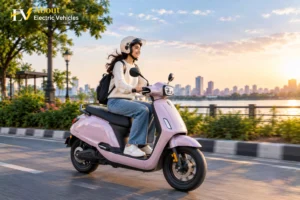
Range is one of the first specifications buyers notice, but the advertised number should not be treated as a guaranteed distance. Your actual range can change with rider weight, speed, hills, wind, tire pressure, temperature, road surface, and frequent acceleration. Riding faster generally uses more energy.
A useful approach is to calculate your normal daily distance and choose enough capacity to leave a reasonable reserve. If your commute is 20 km round trip, buying a scooter with exactly 20 km of claimed range leaves little room for real-world variation.
Battery Capacity and Electric Scooter Performance
Battery capacity is commonly expressed in watt-hours, or Wh. In simple terms, a larger Wh figure means the battery can store more energy. It does not automatically mean the scooter is better, because a heavier scooter or powerful motor can consume that energy faster.
Voltage and amp-hours are also used in specifications. Comparing the complete battery capacity is often easier than looking at one number by itself. If two scooters have similar range claims, consider their weight, motor setup, charging time, warranty, and independent testing when available.
Electric Scooter Motor Power
Motor power affects acceleration and the ability to handle hills, but the printed wattage should not be the only deciding factor. Real performance depends on the motor, controller, battery output, rider weight, gearing or hub design, and terrain.
A commuter who rides on flat streets may not need an extremely powerful motor. Someone dealing with steep roads or a heavier load may benefit from more available power. Higher performance can also increase energy use, weight, and purchase price. Choose power for the roads you actually ride rather than paying for specifications you will rarely use.
Wheels, Tires, and Suspension
Small scooter wheels can react sharply to potholes, cracks, gravel, and other obstacles. Tire design therefore has a direct effect on comfort and control. Pneumatic tires can provide useful cushioning, while solid tires reduce the risk of punctures but may transmit more road vibration. Larger wheels can also make rough surfaces easier to manage.
Suspension is valuable when your normal routes contain broken pavement or uneven sections. Before buying, look at tire size, tire type, suspension design, and replacement availability rather than judging comfort from pictures alone.
Electric Scooter Brakes and Safety
Braking is more important than a high top-speed figure. Depending on the model, an electric scooter may use drum, disc, electronic, regenerative, or combined braking systems. Before riding, check that the brakes respond correctly and that the controls feel predictable. CPSC guidance recommends checking important parts such as brakes, tires, handlebars, lights, cables, and the frame before riding. It also recommends wearing a properly fitted helmet.
Small scooter wheels can stop suddenly when they hit obstacles. CPSC specifically warns riders to slow down around bumps and keep both hands on the handlebars.
Electric Scooter Charging
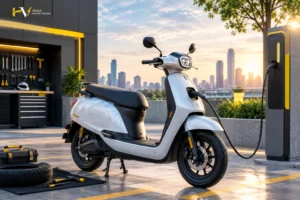
Charging requirements vary by model, so use the charger and instructions supplied by the manufacturer. Avoid damaged chargers, cables, or charging ports. Keep the charging area dry and suitable for the equipment. Do not improvise electrical connections or use equipment that is not approved for the scooter.
Recent charging guidance also emphasizes using manufacturer-approved equipment and avoiding improvised adapters or unsuitable extension arrangements. After a demanding ride, follow the manufacturer’s instructions about battery temperature before charging. If the battery, charger, or cable becomes unusually hot, swollen, damaged, or smells abnormal, stop using the equipment and seek qualified service.
Electric Scooter Maintenance
Basic maintenance helps protect performance and safety. Check tire pressure regularly, inspect tread and sidewalls, test the brakes, and make sure important fasteners remain secure. Pay attention to changes in range, unusual noises, brake feel, steering, or battery behavior. A sudden change can indicate a problem that should be inspected rather than ignored.
Battery Care and Storage
The battery is one of the most valuable components of an electric scooter. Avoid extreme heat, physical damage, and unauthorized battery modifications. When storing the scooter for an extended period, follow the manufacturer’s recommended charge level and storage temperature. Keep the battery away from sources of heat and moisture. Lithium-ion battery safety is important because damaged or poorly managed battery systems can create fire hazards. CPSC has issued specific safety guidance for micro mobility products and lithium-ion battery risks.
Choosing an Electric Scooter for Your Needs
Start with the trip, not the specification sheet. Write down your usual daily distance, road conditions, rider weight, storage space, and charging location. For a short city commute, a lighter model may be easier to carry and park. For longer routes, range and charging become more important. For rough roads, tire size and suspension deserve extra attention. For hills, look closely at motor and battery performance.
Also check whether replacement tires, brakes, chargers, and other parts are available locally. A low purchase price is less attractive if basic repairs are difficult.
Electric Scooter Speed
Higher speed can shorten travel time, but it also increases stopping distance and the consequences of a mistake. Local rules may limit where scooters can operate or how fast they may travel. Do not assume that a scooter’s maximum setting is appropriate for every road. Match your speed to traffic, visibility, surface quality, and local requirements.
Rules vary by location, so check the regulations that apply where you ride. In the United States, the legal treatment of scooters can differ depending on their design and speed, and NHTSA notes that certain stand-up scooters fall outside its federal motor-vehicle classification.
Is an Electric Scooter Good for Daily Commuting?
For the right route, yes. An electric scooter can work well for short commutes because it is compact, easy to park, and simple to recharge. It is less suitable when the route contains dangerous high-speed traffic, poor surfaces, long distances without charging options, or weather conditions you cannot safely manage. Your route matters as much as the scooter. Test the roads if possible before committing to a purchase.
My Practical Approach to Choosing an Electric Scooter
I would begin by measuring the real commute rather than choosing from a list of advertised ranges. Then I would select a model with enough range reserve for traffic, weather, and normal battery variation. Next, I would check brakes, tire design, suspension, weight, charging setup, warranty, and service support. I would also look for replacement parts before buying.
Finally, I would confirm the local riding rules and test the riding position if possible. A scooter that looks excellent online may not feel comfortable or stable on your route.
FAQs About Electric Scooter
Q.1 Is an electric scooter worth buying?
It can be worth buying if your trips are short, charging is convenient, and local riding conditions are suitable. It is less attractive when your route requires high speeds or long distances that exceed the scooter’s practical range.
Q.2 How far can an electric scooter travel?
There is no single answer. Range depends on the battery, scooter design, rider, speed, terrain, weather, and riding style. Treat the advertised range as a reference and leave a reserve.
Q.3 How often should an electric scooter be charged?
Charge it according to your usage and the manufacturer’s battery guidance. You do not need to wait until the battery is completely empty before charging.
Q.4 Are electric scooters safe?
They can be used safely with appropriate equipment and responsible riding, but falls and collisions remain possible. Wear a helmet, inspect the scooter, ride within your ability, and stay aware of traffic and obstacles. CPSC recommends checking the scooter before riding and using a helmet.
Q.5 Can I charge an electric scooter overnight?
Follow the manufacturer’s charging instructions. Do not charge a damaged battery or use unsuitable equipment. Charging should take place in an appropriate area with the correct charger and electrical connection.
Conclusion
An electric scooter can be an efficient option for everyday short-distance transportation, but choosing the right one requires more than comparing speed and advertised range. Battery capacity, real-world range, motor performance, brakes, tires, suspension, weight, charging, maintenance, and local rules all deserve attention.
The best electric scooter is the one that fits your actual route, charging routine, budget, and comfort needs. Focus on practical performance instead of impressive numbers, and check safety guidance before every ride. That approach can help you get useful transportation without paying for features you do not need.