
Electric scooter tires affect much more than comfort. They influence traction, braking feel, steering, rolling resistance, range, and how confidently a scooter handles rough pavement. Yet tires are often ignored when people compare motors and batteries.
The right electric scooter tires depend on your roads, riding speed, weather, load, and willingness to perform maintenance. Pneumatic tires use air and usually provide better cushioning. Solid tires avoid air loss and punctures but generally give a firmer ride. Tubeless tires are still pneumatic; they simply do not use a separate inner tube. This guide explains the main tire types, correct pressure, tread, maintenance, punctures, replacement, and the features to check before buying.
Types of Electric Scooter Tires
There are three common constructions to understand: pneumatic tires with tubes, tubeless pneumatic tires, and solid or honeycomb tires. Pneumatic tires contain pressurized air. Tube-type versions use an inner tube inside the outer tire. Tubeless versions hold air directly between the tire and compatible rim.
Solid tires contain rubber or another airless material instead of pressurized air. Honeycomb tires are also airless but use internal openings to provide some flexibility. Each design solves a different problem, so there is no single best electric scooter tire for every rider.
Pneumatic Tires: Comfort and Grip
Pneumatic tires are popular because the air inside them acts as a cushion. They can soften the effect of cracks and small bumps and often provide a more comfortable ride on imperfect pavement. They also allow pressure to be adjusted within the manufacturer’s specified range. Correct pressure can affect handling, rolling resistance, and tire wear.
The main disadvantage is maintenance. Air-filled tires can lose pressure naturally and can suffer punctures from sharp objects or impact-related damage. A tube can also be pinched when pressure is too low. For riders who travel on rough city roads, a properly maintained pneumatic setup is often a strong choice.
Tubeless Electric Scooter Tires
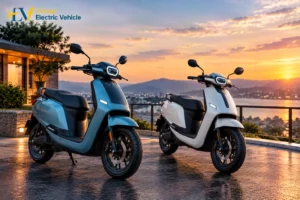
Tubeless tires are a type of pneumatic tire. They do not contain a separate inner tube. Instead, the tire and rim form an airtight chamber. This construction can reduce some tube-related problems and can work well on scooters designed specifically for tubeless tires. However, tubeless does not mean puncture-proof. A sharp object can still damage the tire, and air can escape through a puncture, valve, or bead seal.
Tubeless systems can also be more difficult to install correctly. Never assume a tubeless tire can be fitted to any scooter wheel. The tire, rim, valve, width, and dimensions must be compatible with the exact model.
Solid and Honeycomb Tires
Solid tires contain no pressurized air, so they do not become flat from a puncture. That makes them attractive to riders who want less pressure maintenance. Honeycomb tires use an airless structure with openings or cells. These openings allow some deformation and can make them more forgiving than completely solid rubber.
The tradeoff is ride quality. Airless tires generally absorb less road shock than pneumatic tires. Rough surfaces can therefore feel harsher, and more vibration can reach the scooter and rider. Solid construction can make sense when avoiding flat-related maintenance is the priority and the route is mostly smooth pavement. It is not automatically the better option simply because it cannot puncture.
Which Electric Scooter Tires Are Best?
The best electric scooter tires depend on your priorities. Choose pneumatic tires when comfort, cushioning, and road grip are important and you are willing to check pressure and deal with possible punctures.
Choose solid or honeycomb tires when low maintenance and resistance to air-related flats matter more than maximum comfort. Choose tubeless pneumatic tires when your scooter is designed for them and you want air-filled performance without an inner tube.
For mixed weather and uneven city roads, a properly inflated pneumatic tire is often a sensible choice. For a smooth commute where maintenance convenience is the main concern, an approved solid setup may be more practical. Always follow the scooter manufacturer’s approved tire construction and size.
Why Tire Size Matters
Tire size affects how the scooter rolls over obstacles and how stable it feels. Larger wheels generally move over small cracks and surface changes more easily than very small wheels. Width also matters. A wider tire can provide a broader contact area and may feel more planted, but it can add weight and change steering characteristics.
Do not choose a replacement only because the diameter looks similar. Tire width, rim dimensions, clearance, load rating, valve arrangement, and construction must all match the scooter. The original specification or manufacturer’s replacement recommendation should be your starting point.
Electric Scooter Tire Pressure
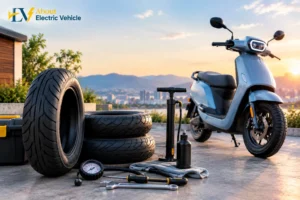
If your scooter uses pneumatic tires, pressure is one of the most important maintenance points. There is no universal PSI that works for every electric scooter. The correct figure depends on the tire, wheel, scooter design, and load. Use the pressure recommended by the manufacturer and check the tire sidewall for relevant limits. Current tire guidance also stresses that model-specific instructions should take priority over generic pressure charts.
Underinflation can increase rolling resistance and make steering less predictable. It can also increase the chance of impact damage or a pinch flat on tube-type tires. Over inflation can make the ride harder and reduce the tire’s ability to absorb small surface changes. Never exceed the tire or manufacturer’s stated limit. Check pneumatic tires regularly with a reliable gauge rather than judging pressure by squeezing the tire with your hand.
How to Maintain Electric Scooter Tires
Basic tire care is simple, practical, and important for safety. Check pressure on pneumatic tires at regular intervals and before longer rides. Inspect both tires for embedded glass, nails, stones, cuts, bulges, and unusual wear. Look around the valve area and rim for signs of damage or air leakage.
Keep tires clean enough to inspect the tread and sidewalls. Avoid using unsuitable chemicals that may damage rubber. CPSC recommends checking micro mobility products before riding and keeping components in proper working condition.
What Causes Electric Scooter Tire Problems?
Punctures are one of the most common problems with pneumatic tires. Sharp debris can penetrate the tread, while a damaged valve or rim can cause a slow leak. Low pressure can create additional problems. It can make the tire flex excessively and increase the chance of damage when hitting a hard edge.
Other warning signs include repeated air loss, sidewall cracks, bulges, severe tread wear, and abnormal vibration. If a pneumatic tire repeatedly loses air, do not keep adding air without finding the cause. The tire, tube, valve, bead, or rim may need inspection.
When Should You Replace Electric Scooter Tires?
Replace a tire when the tread is significantly worn, the rubber has serious cracks, the sidewall is damaged, a bulge appears, or the tire can no longer hold pressure safely. Frequent punctures can also indicate that the tire or its surrounding components need replacement.
Do not wait for a complete failure. A damaged tire can affect handling before it becomes visibly unusable. Replacement tires must match the scooter’s approved specifications. A different size or construction can change clearance, handling, load capacity, or motor and wheel compatibility.
Can You Change Electric Scooter Tires Yourself?
Some riders can replace tires themselves, but difficulty varies greatly by scooter. Tubed tires may be simpler on certain wheel designs, while tight tubeless or solid tires can require specialized tools and considerable force. If you are unsure, professional installation is safer than forcing a tire into place. After replacement, check seating, pressure, rotation, and clearance before normal riding.
How to Choose Electric Scooter Tires
Start with the scooter’s exact model. Find the approved tire size and construction in the owner’s manual or manufacturer documentation. Next, consider your route. Smooth pavement allows more tire choices, while broken roads make cushioning and predictable grip more valuable.
Then consider maintenance. If you do not want regular pressure checks, an approved solid tire may be attractive. If comfort is your priority, pneumatic tires may be a better fit.
Common Electric Scooter Tire Mistakes
One mistake is using the wrong PSI because another scooter uses that number. Tire pressure is model-specific.
FAQs About Electric Scooter Tires
Q.1 Are pneumatic or solid electric scooter tires better?
Neither is universally better. Pneumatic tires usually provide better cushioning, while solid tires reduce puncture and pressure-related maintenance. Your road surface and priorities should decide.
Q.2 How often should I check electric scooter tire pressure?
Check pneumatic tires regularly, with more frequent checks for daily riders or before long trips. Use the exact pressure recommended for your scooter rather than a generic PSI number.
Q.3 Do tubeless electric scooter tires get flats?
Yes. Tubeless tires can still be punctured or develop leaks at the valve or bead. They simply do not use a separate inner tube.
Q.4 Can I put any tire size on my scooter?
No. Use the exact approved size and construction whenever possible. A tire that physically fits may still be unsuitable for the rim, clearance, load, or scooter design.
Q.5 Are solid tires completely maintenance-free?
No. They do not need air-pressure checks, but they still need inspection for tread wear, cracks, cuts, and deformation.
Q.6 Can low tire pressure reduce scooter range?
Yes. A soft pneumatic tire can increase rolling resistance, making the motor work harder. The effect varies with tire design, pressure, rider weight, and riding conditions.
Conclusion
Electric scooter tires are a major part of ride quality, control, and safety. Pneumatic tires offer air cushioning and can work especially well on uneven roads, but they require pressure checks and remain vulnerable to punctures. Tubeless tires remove the inner tube but still require proper inflation. Solid and honeycomb tires reduce flat-related maintenance but usually provide a firmer ride.
The smartest choice is not simply the tire with the biggest size or lowest price. Match the tire to your exact scooter, route, weather, load, and maintenance preference. Keep pneumatic tires at the manufacturer’s recommended pressure, inspect all tires regularly, and replace damaged rubber before it becomes a serious problem. With the correct electric scooter tires and basic maintenance, your scooter can feel more stable, comfortable, and predictable during everyday city rides, daily commutes, weekend trips, and longer journeys with greater confidence overall.