
An adult electric scooter can be a practical choice for commuting, errands, campus travel, and short city trips. Unlike small recreational scooters, adult models are built around higher rider weight limits, stronger frames, larger batteries, and more capable braking systems. The right model depends on where you ride, how far you travel, road conditions, and how you plan to charge it.
This guide focuses on the features that matter most when buying an adult electric scooter, including range, battery, motor power, brakes, tires, comfort, portability, safety, maintenance, and total cost.
What Is an Adult Electric Scooter?
An adult electric scooter is a motor-powered scooter designed for riders within the manufacturer’s stated age and weight limits. It normally has a rechargeable battery, electric motor, electronic controls, brakes, lights, and a standing deck. Adult models vary widely. Some are lightweight commuters made for smooth streets, while others use larger tires, suspension, stronger motors, and bigger batteries for longer trips. The important point is not the word “adult” on a product page. Check the actual maximum rider weight, dimensions, speed, range, and intended use before buying.
How Much Range Do Adults Need?
Range should match your normal route, not your ideal trip. Start by calculating your daily distance and then leave extra capacity for traffic, hills, rider weight, temperature, tire pressure, and other conditions. A manufacturer’s maximum range is not a guarantee of real-world distance. Riding faster, climbing hills, carrying more weight, and using the motor harder can reduce range. If your normal round trip is 20 miles, choosing a scooter advertised for exactly 20 miles leaves little margin. A larger battery or lower-energy riding style can make daily use easier.
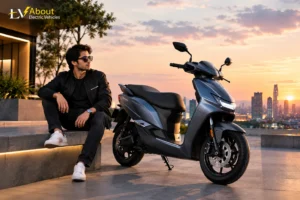
Adult Electric Scooter Battery
Battery capacity is commonly measured in Wh. A larger Wh rating generally means more stored energy, although scooter efficiency also affects how far that energy takes you.
Look beyond capacity. Check battery chemistry, warranty, charging requirements, replacement cost, and whether replacement batteries are available. Lithium-ion batteries are common because they offer useful energy density without the weight of older battery technologies. Battery quality and proper charging are more important than choosing a scooter simply because its battery number looks large.
Motor Power and Performance
Motor power affects acceleration and hill-climbing ability. A low-power commuter can work well on flat roads, while riders facing hills or heavier loads may need a stronger system.
Do not choose motor power by wattage alone. Consider rider weight, terrain, wheel size, controller behavior, and the manufacturer’s load rating. Top speed also needs context. Local laws can restrict where and how fast electric scooters may be used. Always check the rules where you ride instead of assuming the advertised maximum speed is legal everywhere.
Tires, Suspension, and Ride Comfort
Tires have a major effect on comfort and stability. Larger pneumatic tires can absorb more road vibration than very small solid tires, although they may require more maintenance.
Suspension can help on rough pavement, but it does not make a scooter suitable for every road. A comfortable deck, sensible handlebar height, stable steering, and good weight distribution also matter. For urban riding, choose equipment that matches your actual streets. A lightweight scooter may be easy to carry, while a heavier model may provide better stability and comfort.
Brakes and Safety Features
Good braking is essential on an adult electric scooter. Depending on the model, you may find electronic braking, drum brakes, disc brakes, or combinations of these systems. Check how the brakes feel during a controlled test ride. The scooter should slow down predictably without strange noises, excessive lever travel, or unstable steering. Lights, reflectors, a bell or horn, and visible controls are also useful for city riding.
The U.S. Consumer Product Safety Commission advises riders to follow local traffic laws, wear a bicycle helmet, inspect brakes, tires, handlebars, throttle, lights, cables, and frame, and follow manufacturer instructions. It also recommends one rider per scooter and keeping both hands on the handlebars.
Adult Electric Scooter for Commuting
For commuting, convenience matters as much as performance. Think about the distance, road surface, traffic, parking, and charging location. A scooter that folds may be easier to store at work or home. A heavier long-range model may be better if you travel farther but less convenient if you must carry it up stairs.
If you ride during early mornings or evenings, strong lights and reflective equipment become more important. If your route includes poor pavement, prioritize tire size and stability rather than buying the lightest possible scooter.
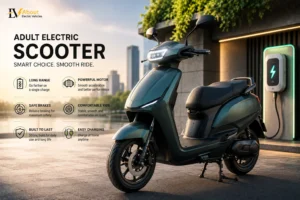
Charging an Adult Electric Scooter
Home charging is usually the simplest setup for regular use. Before buying, check the charger type, charging time, outlet requirements, and manufacturer’s instructions. Use only the charger supplied with the scooter or one specifically approved by its manufacturer. CPSC recommends being present while charging and not charging micromobility products while sleeping or away from home.
Do not use a damaged charger or a modified battery. If a battery has been altered or repaired by an unqualified person, it can create a serious safety risk.
Weight Limit and Build Quality
An adult scooter should have a published maximum rider weight. Do not treat the limit as an optional suggestion. Inspect the stem, folding mechanism, deck, wheels, and frame. Loose steering or unusual movement should be treated as a warning sign.
Portable or Long-Range Model?
A lightweight scooter is useful when stairs, public transport, or small storage spaces are part of your routine. Long-range models usually need larger batteries, which can make them heavier. There is no universal winner. Choose portability if carrying and storing the scooter happens often. Choose battery capacity and comfort if your main priority is longer daily travel.
What to Check Before Buying
Before paying, take a short test ride if possible. Check acceleration, steering, braking, deck space, handlebar position, and how easily you can control the scooter at low speed. Confirm the charger, warranty terms, spare-parts availability, and service location. These simple checks can reveal practical problems that specifications alone cannot show.
Adult Electric Scooter Maintenance
Basic maintenance can prevent many problems. Check tire pressure regularly if the scooter uses pneumatic tires. Inspect brakes, fasteners, lights, cables, and the folding mechanism. Keep the scooter clean and follow the manufacturer’s instructions for water exposure. Do not assume an IP rating means the scooter can safely be submerged or ridden through deep water.
If you notice battery swelling, unusual heat, smoke, damage, or a burning smell, stop using the scooter and follow the manufacturer’s safety instructions.
New vs Used Adult Electric Scooter
A used scooter can save money, but battery condition is difficult to judge from appearance alone. Ask about the scooter’s age, charging history, storage, repairs, and battery replacement. Test the brakes, motor, steering, lights, display, charger, tires, and folding system. Look for cracks, bent parts, corrosion, or signs of water damage. A lower purchase price is not a good deal if the battery or major components need immediate replacement.
How Much Should You Spend?
Budget should be based on your actual needs. A basic commuter may be enough for short flat trips, while longer routes can justify spending more on battery capacity, tires, braking, and comfort. In Pakistan’s 2026 market, published listings show entry-level electric scooters around PKR 95,000 and above, while mid-range and premium models can cost substantially more. These figures vary by model, battery, dealer, and equipment.
Do not pay extra for features you will never use. Spend more where it improves safety, reliability, range, or daily comfort.
My Practical Approach to Choosing an Adult Electric Scooter
I would choose the route first and the scooter second. First, measure the normal daily distance. Next, check the road conditions and hills. Then decide where the scooter will be charged and stored. After that, set a realistic budget.
I would compare the battery warranty, real-world range expectations, weight limit, brakes, tires, service support, spare parts, and charger before looking at cosmetic features. If two models have similar specifications, the one with stronger local support and easier parts availability can be the safer long-term choice.
FAQs About Adult Electric Scooter
Q.1 What is the best adult electric scooter?
The best model depends on your distance, terrain, budget, weight, storage, and charging setup. There is no single scooter that fits every adult rider.
Q.2 How far can an adult electric scooter go?
Range depends on battery capacity, motor efficiency, rider weight, speed, terrain, temperature, and tire condition. Use manufacturer range as a reference, not a guaranteed result.
Q.3 Can adults ride electric scooters every day?
Yes, when the scooter is designed for the rider’s weight and intended road conditions. Regular inspection and correct charging are important for daily use.
Q.4 Are adult electric scooters safe?
They can be used safely when riders follow local laws, wear appropriate protective equipment, inspect the scooter, and ride within its limits. CPSC specifically recommends helmet use and pre-ride checks.
Q.5 Is a heavier scooter better?
Not always. More weight can come with larger batteries, stronger components, or better stability, but it also makes carrying and storage harder.
Q.6 Should I buy a used adult electric scooter?
A used model can be worthwhile if its battery, brakes, frame, motor, charger, and other major parts are in good condition. Inspect and test it before paying.
Conclusion
An adult electric scooter can be an efficient option for commuting and short-distance transportation when you choose it for your real needs. Focus on range, battery condition, motor performance, braking, tires, weight capacity, charging, comfort, and service support.
Do not choose only by top speed or advertised range. A well-matched scooter that is easy to charge, maintain, and store will usually be more useful than a faster model with features you do not need. The best buying decision is the one that gives you dependable performance without stretching your budget beyond what your daily travel requires.