
Electric bicycles for adults are becoming a practical choice for commuting, exercise, errands, recreation, and short daily trips. They combine a conventional bicycle with a battery-powered motor that provides assistance while riding. This extra support can make hills easier, reduce effort on longer journeys, and help adults travel farther without depending completely on a car.
However, not every adult e-bike is designed for the same purpose. City commuters, older riders, trail users, and people carrying cargo can have very different needs. Battery capacity, motor position, frame design, brakes, comfort, weight, and range all matter. This guide explains what to look for when choosing electric bicycles for adults and how to find a model that fits real-world riding.
What Are Electric Bicycles for Adults?
Electric bicycles for adults are full-size or adult-oriented bicycles equipped with an electric motor and rechargeable battery. Most use pedal assistance, meaning the motor helps while the rider pedals. Some models also include a throttle, depending on the bicycle and local laws.
An e-bike normally includes a battery, motor, controller, sensors, display, charger, and conventional bicycle components. The battery stores electrical energy, while the controller manages power sent to the motor. The motor may be mounted in a wheel hub or near the bicycle crank. Hub motors are common on commuter models, while mid-drive motors can provide a natural feel and use the bicycle’s gears.
Why Choose an Electric Bicycle as an Adult?
The main advantage is adjustable assistance. A rider can pedal normally when conditions are easy and increase assistance when facing hills, headwinds, long distances, or fatigue.
This can make cycling more practical for adults who want to commute without arriving exhausted. It can also help riders continue cycling when a conventional bicycle feels too demanding. An e-bike can be useful for grocery trips, neighborhood transportation, recreation, and exercise. The motor does not remove the need to ride; instead, it gives the rider more control over how much effort is required.
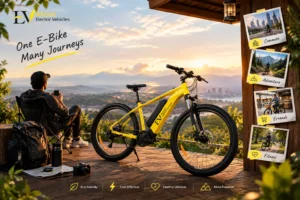
Types of Electric Bicycles for Adults
Commuter Electric Bicycles
Commuter e-bikes are designed for roads, bike lanes, and everyday transportation. They often include practical features such as lights, fenders, racks, comfortable seats, and upright handlebars. For commuting, reliability and comfort may be more valuable than extreme motor output. Consider your route, storage space, weather, and charging access before choosing a model.
Step-Through Electric Bicycles
Step-through frames have a lower opening between the seat and handlebars. This design can make getting on and off easier, especially when wearing work clothes or carrying a load. The frame should still provide enough stability and strength for the rider’s weight and intended use. Check the manufacturer’s maximum system weight before buying.
Electric Mountain Bikes
Electric mountain bikes are designed for trails and uneven terrain. They may include suspension, stronger frames, wider tires, powerful brakes, and motors suited to climbing. Adults buying a trail e-bike should match the bicycle to the terrain they actually ride. A heavy-duty mountain model can be unnecessary for someone who mainly uses paved streets.
Folding Electric Bicycles
Folding e-bikes are useful for adults who have limited storage space or need to combine cycling with other transportation. Their frames can fold into a smaller package. Check the folded dimensions, total weight, wheel size, hinge design, and carrying method. A bicycle that folds well but is difficult to lift may not be convenient for apartments or public transportation.
Cargo Electric Bicycles
Cargo e-bikes are built to carry groceries, equipment, children, or other loads. They usually have reinforced frames and dedicated cargo areas. Because added weight affects acceleration, braking, handling, and range, stay within the manufacturer’s stated load limits.
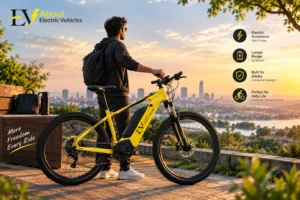
How Much Motor Power Do Adults Need?
Motor power should not be the only specification you consider. A higher-rated motor can help with hills and heavier loads, but it may also increase energy use and weight. The useful amount of assistance depends on terrain, rider weight, cargo, gearing, and local legal limits. A moderate motor can be sufficient for flat commuting, while riders facing steep hills may benefit from a stronger system.
Also check the motor’s torque rating, especially if climbing is important. Torque describes turning force and can be more useful than wattage alone when comparing climbing performance.
Battery Capacity and Range
Battery capacity is usually measured in watt-hours, or Wh. A larger capacity generally stores more energy, but it does not guarantee a specific riding distance. Real-world range depends on rider weight, cargo, terrain, wind, temperature, speed, tire pressure, riding mode, and how often the motor works. High assistance and steep climbs normally use energy faster.
Comfort and Fit Matter
A comfortable e-bike should match the rider’s height, reach, riding position, and flexibility. Frame size is especially important because an incorrectly sized bicycle can become uncomfortable and harder to control. Look at saddle adjustment, handlebar position, tire width, suspension, grips, and frame geometry. A step-through frame may be easier for some adults to mount, while a conventional frame may provide a different riding feel.
Brakes and Tires
Braking becomes particularly important as bicycle speed and total weight increase. Hydraulic or mechanical disc brakes are common on many adult e-bikes, but the exact setup should match the bicycle’s weight and intended use. Tires also affect comfort and control. Wider tires can provide more stability and cushioning on rough surfaces, while narrower tires may roll efficiently on smooth pavement. Inspect the tire rating, tread, and recommended pressure. Do not exceed the bicycle’s weight limits.
Electric Bicycle Safety for Adults
Adults should treat an e-bike like a real vehicle rather than a toy. CPSC recommends wearing a bicycle helmet, following traffic laws, checking the bicycle before riding, and staying visible to other road users. Local requirements for helmets, riding locations, and roadway use can differ. Before every ride, inspect the brakes, tires, wheels, frame, handlebars, lights, cables, and controls. Slow down around pedestrians, intersections, uneven surfaces, and areas with limited visibility.
Battery safety is equally important. CPSC advisesusing the charger supplied with or approved for the specific e-bike and avoiding modified or improperly repaired battery packs. It also recommends being present while charging instead of charging while sleeping.
Charging and Battery Care
Charging requirements vary between models. Use the manufacturer’s charger and follow its instructions for charging, storage, and temperature conditions. Do not assume that a charger will work because its connector fits. CPSC warns that so-called universal chargers can be electrically incompatible and may create a fire hazard.
When storing an e-bike for an extended period, follow the manufacturer’s recommended battery level and storage conditions. Keep the battery away from damage, excessive heat, and unauthorized modifications.
Maintenance for Adult E-Bikes
Regular maintenance keeps an electric bicycle safer and more dependable. Check tire pressure, brake condition, chain or drivetrain components, wheels, fasteners, and electrical connections. Clean the bicycle according to the manufacturer’s instructions and keep sensitive electrical components protected from water when required. If the battery or electrical system develops a serious problem, use qualified service support rather than attempting an unsafe repair.
The CPSC recommends products designed and certified to applicable safety standards and warns consumers about damaged or modified batteries.
How Much Do Electric Bicycles for Adults Cost?
Prices vary widely because adult e-bikes range from basic commuter bicycles to premium mountain, cargo, and performance models. Think about the complete cost of ownership. Include accessories, maintenance, replacement parts, charging equipment if needed, and possible battery replacement when comparing different models.
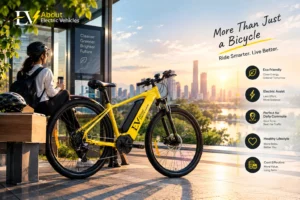
What Should Adults Check Before Buying?
Start with the main purpose. Decide whether you need an e-bike for commuting, exercise, trails, errands, cargo, or a mixture of these uses. Then compare motor type, battery capacity, realistic range, frame size, weight, brakes, tires, suspension, maximum load, warranty, charger, and service availability.
Electric Bicycles for Adults vs Regular Bikes
A regular bicycle is lighter and mechanically simpler, while an e-bike adds motor assistance, a battery, electronics, and charging requirements. An e-bike can make longer trips and hills easier, but it is usually heavier and more expensive. The right choice depends on distance, terrain, fitness, budget, and personal preference.
FAQs About Electric Bicycles for Adults
Q.1 What is the best electric bicycle for adults?
There is no single best model for every adult. The right choice depends on riding purpose, body size, terrain, range requirements, comfort, budget, and local regulations.
Q.2 How far can an adult e-bike travel?
Range varies by battery capacity, motor use, rider and cargo weight, terrain, wind, temperature, speed, and riding mode. Use real-world estimates rather than relying only on a maximum advertised figure.
Q.3 Are electric bicycles easy for adults to ride?
Most are designed to feel similar to normal bicycles, but the added weight and motor assistance require some adjustment. New riders should begin slowly in a safe area and become familiar with braking and assistance controls.
Q.4 Are electric bicycles safe for adults?
They can be safe when properly maintained and ridden responsibly. Wear a helmet, follow traffic rules, check the bicycle before riding, and use compatible charging equipment.
Q.5 Can adults exercise on an electric bicycle?
Yes. Pedal assistance can be adjusted, allowing riders to choose how much effort they provide. An e-bike can therefore support both transportation and active riding.
Q.6 How long does an e-bike battery last?
Battery life varies with cell quality, usage, charging patterns, temperature, storage, and battery management. Follow the manufacturer’s instructions to help maintain battery performance.
Conclusion
Electric bicycles for adults offer a flexible way to combine cycling with motor assistance. They can make commuting, hills, errands, recreation, and longer rides more manageable without removing the rider from the experience.
The best choice is not necessarily the fastest or most powerful bicycle. Focus on frame fit, comfort, practical range, motor performance, braking, battery safety, load capacity, maintenance, and long-term support.
Before buying, define how and where you will ride. Then choose a bicycle whose specifications match those conditions. A properly fitted, well-maintained e-bike with a reliable battery and suitable safety equipment can become a practical part of everyday transportation.