
A 3 wheel car is a compact vehicle that uses three wheels instead of the four found on most passenger cars. Some are built for one person, while others can carry two or more passengers. Electric power has made the three-wheel layout especially interesting because a light, aerodynamic body can reduce the energy needed for everyday travel. Today, companies are exploring three-wheel electric vehicles for commuting, low-cost mobility, and highly efficient transportation.
What Is a 3 Wheel Car?
A 3 wheel car is a road vehicle designed around three wheels. The layout can place two wheels at the front and one at the rear, or one wheel at the front and two at the rear. The exact design affects steering, stability, handling, cabin space, and braking. Some three-wheel vehicles look more like small cars, while others resemble motorcycles or enclosed trikes. Buyers should check local registration, licensing, insurance, and safety requirements before purchasing one.
How Does a 3 Wheel Car Work?
A three-wheel car works much like other vehicles, but its chassis and suspension are designed around one fewer wheel. In an electric version, a battery supplies electricity to one or more electric motors. Regenerative braking can recover some energy when the vehicle slows down. That energy is sent back to the battery instead of being completely lost as heat through the brakes.
Because many three-wheel designs are lightweight, they can use a smaller battery than a larger electric car while still providing useful urban range.
Electric 3 Wheel Car Technology
Electric three-wheelers are becoming more interesting as battery technology improves. A lightweight body can reduce energy consumption, while aerodynamic shaping can further lower resistance at higher speeds.
Aptera is one of the best-known examples. Its current solar electric vehicle is designed as a highly aerodynamic three-wheeler with integrated solar cells. Aptera says its vehicle is in testing and validation, with specifications still subject to change. The company currently advertises up to 400 miles of range and up to 40 miles of solar-powered driving per day under favorable conditions.
The vehicle shows how a three-wheel layout can be used to focus heavily on efficiency rather than traditional SUV-style space.
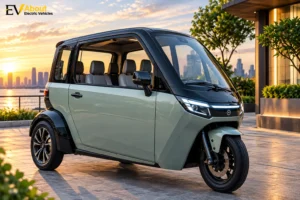
3 Wheel Car Design and Stability
Stability is one of the most important considerations with any three-wheel vehicle. The wheel arrangement, track width, center of gravity, suspension, tires, and electronic controls all affect how the vehicle behaves. A design with two front wheels can provide a wider front track and familiar steering behavior. A vehicle with two rear wheels can have a different balance and handling character.
Benefits of a 3 Wheel Car
One major benefit is efficiency. A smaller, lighter vehicle generally requires less energy to move than a large passenger car. When combined with an electric motor and aerodynamic body, this can produce very low energy consumption. A three-wheel car can also be easier to maneuver in crowded urban areas. Some models have a compact footprint, which can make parking and navigating narrow streets easier.
Another advantage can be lower operating costs. Electric vehicles do not need gasoline, and their powertrains generally have fewer moving components than conventional engines. However, actual ownership costs depend on electricity prices, insurance, maintenance, tires, and local regulations.
3 Wheel Car for City Driving
Urban transportation is one of the strongest use cases for three-wheel electric vehicles. City trips are often relatively short, and many drivers spend much of their time in traffic rather than at highway speeds. A compact electric three-wheeler can be useful for commuting, shopping, and other daily trips when its range and seating capacity match the driver’s needs.
Range and Battery Size
Range depends on battery capacity, vehicle weight, aerodynamics, motor efficiency, tires, speed, temperature, and driving style. A highly aerodynamic three-wheel EV can potentially travel farther from a given battery size than a less efficient vehicle.
Aptera’s current website lists a 400-mile target range for its vehicle, but it also states that the vehicle remains in testing and validation and that specifications can change. For everyday use, buyers should focus on realistic driving conditions rather than choosing a vehicle only because it has the largest advertised range.
Charging a 3 Wheel Electric Car
Charging depends on the model and battery system. Smaller urban vehicles may use relatively modest charging hardware, while longer-range electric vehicles can support faster charging. Home charging can be convenient because the vehicle can recharge while parked overnight. Public DC fast charging may be useful for longer journeys if the vehicle supports it.
Charging time depends on battery size, charger output, battery temperature, and the vehicle’s maximum charging rate. The manufacturer’s specifications should be checked before buying.
Safety Considerations
Buyers should examine the vehicle’s crash protection, seat belts, airbags, stability systems, lighting, braking equipment, tires, and structural design. A vehicle classified as a motorcycle, autocycle, or other three-wheel category may have different safety and licensing requirements from a passenger car.
Drivers should use the required protective equipment and follow local laws. Safety ratings and regulatory approval should be checked for the exact model and market rather than assumed from its appearance.
3 Wheel Car vs Four-Wheel Car
A three-wheel vehicle can prioritize low weight, efficiency, and compact dimensions. A conventional four-wheel car generally provides a wider range of body styles, seating layouts, storage options, and established safety systems.
Neither design automatically suits every driver. A three-wheel EV can make sense for a person with short daily trips and limited passenger needs, while a four-wheel vehicle may be more practical for families, heavy cargo, or frequent highway travel.
Popular Types of Three-Wheel Vehicles
There are several categories of three-wheel vehicles. Electric commuter vehicles focus on efficient urban transportation. Solar-electric designs emphasize extremely low energy consumption. Passenger three-wheelers are common in parts of Asia and can be used for public or private transportation.
There are also performance-oriented three-wheel vehicles and open-top electric concepts. In India and other South Asian markets, electric three-wheelers are also widely used for passenger andcommercial transportation. The sector includes small cargo vehicles, passenger carriers, and electric auto-rickshaws.
Maintenance and Ownership
Electric three-wheel vehicles generally need routine checks of tires, brakes, suspension, steering, lights, and electrical components. Battery condition is also important because the battery is one of the vehicle’s most valuable components.
Owners should follow the manufacturer’s service schedule and use compatible charging equipment. Software updates may also be required on connected electric vehicles. Before buying a used three-wheeler, inspect the battery, charging port, motor, brakes, tires, suspension, and body structure.
3 Wheel Car Prices
Prices vary widely because the category includes simple electric trikes, enclosed commuter vehicles, commercial three-wheelers, and advanced high-efficiency EVs. A low-cost three-wheeler may use a small battery and basic equipment, while an advanced electric model can cost much more because of its battery, materials, electronics, and aerodynamic engineering.
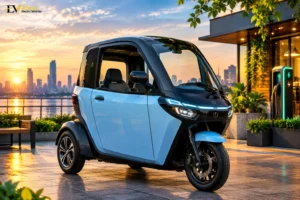
The Future of the 3 Wheel Car
The future of the 3 wheel car is closely connected with electric mobility. Automakers and startups are experimenting with lightweight materials, improved batteries, solar assistance, advanced motor systems, and aerodynamic body designs.
In 2026, Aptera continues testing and validation of its solar electric three-wheeler, while other projects are exploring unusual electric three-wheel formats. Its focus on efficiency makes the category relevant to future urban transportation. As batteries become more capable and charging infrastructure expands, three-wheel EVs may find more uses where low energy consumption and compact size are more important than maximum passenger or cargo capacity.
3 Wheel Car FAQs
Q.1 Is a 3 wheel car fully electric?
Not always. Three-wheel vehicles can use gasoline, diesel, hybrid, or electric power. Electric versions use batteries and electric motors instead of a conventional engine.
Q.2 Is a three-wheel car safe?
Safety depends on the specific design, legal classification, equipment, and driving environment. Buyers should check crash protection and applicable certification for the exact model.
Q.3 How far can an electric three-wheeler travel?
Range varies greatly. Battery size, weight, aerodynamics, speed, weather, and driving conditions all affect range. Some small vehicles have short urban ranges, while advanced designs target much longer distances.
Q.4 Can I charge a three-wheel EV at home?
Many electric three-wheelers can be charged at home, but the required equipment depends on the model. Always use the manufacturer’s approved charging system.
Q.5 Is a three-wheel EV cheaper to operate?
It can be, especially when its low weight and electric powertrain reduce energy consumption. Actual costs depend on electricity rates, maintenance, insurance, battery life, and local conditions.
Conclusion
A 3 wheel car offers a different approach to personal transportation by combining three-wheel packaging with compact dimensions and, increasingly, electric power. Its biggest potential advantage is efficiency. A light and aerodynamic vehicle can require less energy than a larger conventional car, making the format interesting for city travel and other short-distance uses.
Electric three-wheelers are not a universal replacement for four-wheel cars. Their passenger capacity, storage, stability, highway performance, regulations, and safety equipment vary significantly between models. Buyers should therefore evaluate the exact vehicle rather than judging the entire category from one design.
With companies such as Aptera continuing to develop highly efficient electric three-wheelers, the category remains an interesting part of the EV market. Better batteries, smarter electronics, stronger safety systems, and improved charging could make these vehicles more practical in the future, especially for drivers who value efficiency, easy parking, lower energy use, and simple urban mobility. The format could also become useful for delivery services and other short-distance transportation where low operating energy matters in busy urban areas.