
An electric scooter rental service gives you a simple way to travel short distances without buying your own scooter. Instead of owning, charging, storing, and maintaining a vehicle, you usually find an available scooter through an app, unlock it, ride to your destination, and end the trip in an approved location.
This option can be useful for visitors, commuters, students, and people who only need a scooter occasionally. However, the experience is not the same in every city. Prices, parking rules, riding areas, speed limits, age requirements, and operating hours can vary by location and provider. This guide explains how rental scooters work, what you normally pay, what to check before riding, and how to avoid common problems.
What Is an Electric Scooter Rental?
An electric scooter rental is a short-term hire service that lets users pay to use a shared scooter. Many systems are app-based. The app can show nearby vehicles, provide information about the ride, unlock the scooter, process payment, and allow the user to finish the trip.
How Does Electric Scooter Rental Work?
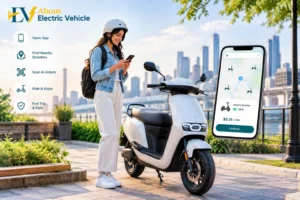
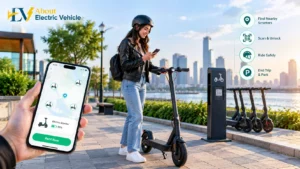
The process is usually straightforward. First, download the rental company’s official app and create an account. Depending on the provider and location, you may need to verify your identity, age, payment method, or driving eligibility.
Next, use the map to find an available scooter. Before unlocking it, check the vehicle’s battery level and any information shown in the app. Inspect the scooter before starting. Look at the tires, brakes, handlebars, throttle, lights, and visible frame condition. If something appears damaged, report it through the app and choose another vehicle.
After unlocking, start the ride and follow the local traffic rules. When you reach your destination, park only where the service and local regulations allow. End the ride in the app and make sure the trip has actually stopped before walking away.
How Much Does Electric Scooter Rental Cost?
There is no single worldwide rental price. Providers commonly use a combination of an unlock fee and a per-minute or time-based charge, while some services offer passes or subscriptions. The final cost can depend on city, demand, promotions, ride duration, and the type of plan you choose. Always check the price shown in the app before starting. A short trip may be inexpensive, but repeated rides can become more expensive than other transport options.
Rental Scooter vs Buying an Electric Scooter
Renting makes more sense when you need a scooter occasionally or do not want to handle ownership. You avoid buying the vehicle and usually do not have to manage routine charging, storage, tire replacement, or other maintenance. Think about how often you ride, where you store a scooter, and how much convenience you get from having one available at home.
What Should You Check Before Renting?
Spend a short moment checking the scooter before riding. Confirm that both brakes work and that the handlebars feel secure. Look at the tires for obvious damage or severe loss of pressure. Check the throttle response and make sure the lights or reflectors appear functional when required.
Also look at the deck and frame. Cracks, loose components, damaged cables, or unusual noises are reasons to choose another scooter. The U.S. Consumer Product Safety Commission recommends checking handlebars, brakes, throttle, bell, lights, tires, cables, and frame before riding an e-scooter. It also recommends following manufacturer instructions and local traffic rules.
Electric Scooter Rental Safety Tips
Wear a properly fitted bicycle helmet when riding. Keep both hands on the handlebars and keep your attention on the road. Ride at a speed that matches the surface, traffic, visibility, and your experience. Small scooter tires can react badly to potholes, cracks, loose objects, and uneven surfaces, so slow down before difficult sections. Watch for pedestrians, cars, bicycles, buses, and opening vehicle doors. Assume that other road users may not notice you.
Do not carry another person unless the specific scooter is designed and legally approved for more than one rider. Shared rental scooters are generally intended for a single rider. Never ride while impaired by alcohol or drugs. Avoid phone use and other distractions while moving.
Where Can You Ride a Rental Scooter?
The answer depends on the city. Some places allow shared scooters on streets, bike lanes, or designated paths, while others restrict where they can operate. Do not assume that the rules from one city apply somewhere else. Local governments can set requirements for speed, parking, operating areas, permits, and fleet management. Current shared micro mobility policy resources show that these rules vary significantly between jurisdictions.
Check the provider’s map and the local transportation authority before riding. Before every trip, read the provider’s instructions and check the app for current restrictions, pricing, and parking information for your route.
Parking Rules Matter
Ending the ride in the wrong place can create problems. A scooter left across a sidewalk, doorway, ramp, road, or accessible path can obstruct other people and may violate local rules. Use designated parking areas when they are available. Keep the scooter upright and out of pedestrian and motor-vehicle traffic.
Some systems require a photo at the end of the trip. If the app asks for one, take a clear picture showing that the scooter is parked correctly. Do not leave the scooter somewhere simply because the app allows the ride to end there if the location is clearly unsafe or obstructive. Good parking protects pedestrians and helps shared services remain acceptable in public spaces.
Electric Scooter Rental Battery and Range
Rental scooters are normally selected and maintained by the operator, but battery level still matters to the rider. Check the estimated charge before starting, especially when your route is longer. If the battery is already low, choose another scooter rather than risking a trip that cannot be completed.
Do not attempt to charge a shared scooter yourself unless the operator specifically instructs you to do so. Charging and battery maintenance are the provider’s responsibility.
What If the Rental Scooter Is Damaged?
Do not ignore damage just because the scooter still moves. A faulty brake, loose stem, damaged tire, broken light, or structural problem can create a serious safety issue. Report the problem through the app before riding. If damage appears during your trip, move to a safe location and contact the operator when practical.
CPSC guidance also encourages riders to report problems with shared e-scooters so the next rider does not unknowingly receive a damaged vehicle.
Are Rental Electric Scooters Safe?
Rental scooters can be used safely, but they still involve the normal risks associated with small motorized vehicles. Safety depends on the rider, vehicle condition, road environment, traffic, and local rules.
Start slowly, maintain a safe following distance, and avoid sudden steering. If the surface looks difficult, reduce speed before reaching it.
What Are the Benefits of Renting?
The biggest benefit is flexibility. You can use a scooter when you need one without purchasing a vehicle. Rental services can also be useful for short urban trips where walking is too slow and a car feels unnecessary. They may connect riders to transit stations, workplaces, shops, or other nearby destinations.
What Are the Disadvantages?
Rental costs can become high if you ride frequently. Availability is another limitation because nearby scooters may be unavailable, have low battery levels, or be outside the permitted service area.
You also have less control over the scooter’s condition, model, tire pressure, and settings. A personal scooter can be adjusted to your preferences, while a rental vehicle is used as provided. Parking restrictions can also affect convenience, especially in cities with designated parking zones.
How to Get the Best Value
Before starting a trip, check the estimated fare and your route. If the provider offers a day pass, multi-ride package, or subscription, compare its price with your expected usage.
Common Electric Scooter Rental Mistakes
One mistake is starting a ride without checking the scooter. Another is ignoring the battery level or service-area map. Some riders also forget to properly end the trip. If the rental session remains active, charges may continue according to the provider’s pricing rules. Finally, do not assume that a rental scooter is automatically legal everywhere. Always follow the rules of the city where you are riding.
FAQs About Electric Scooter Rental
Q.1 Is electric scooter rental cheaper than owning?
It can be cheaper for occasional use because you avoid the purchase price and ownership costs. Frequent riders should compare their expected rental spending with the total cost of buying and maintaining a personal scooter.
Q.2 Do I need an app to rent an electric scooter?
Most shared services use a smartphone app, although some systems may offer other access methods. Check the specific provider before planning your trip.
Q.3 Can I rent an electric scooter without a helmet?
Helmet requirements depend on local law and provider policy. Regardless of the legal minimum, wearing a properly fitted helmet is an important safety measure.
Q.4 How long can I rent an electric scooter?
Shared rides are usually charged by time and may have service limits or other restrictions. Traditional rental businesses may offer hourly, daily, or longer rental periods.
Q.5 Can two people ride one rental scooter?
Do not carry a second person unless the specific vehicle and local rules explicitly allow it. CPSC recommends one rider per e-scooter because an additional rider can increase crash risk and severity.
Q.6 What happens if the rental scooter runs out of battery?
I.f the scooter becomes low on power, contact the provider through the app and follow its instructions. Do not assume you can leave it anywhere without properly ending the ride.
Conclusion
Electric scooter rental can be a convenient solution for short urban trips without the responsibility of owning a scooter. The basic process is simple: find a vehicle, check its condition and battery, unlock it, ride responsibly, park correctly, and end the trip through the app.
The most important part is understanding the rules before you ride. Prices, parking areas, speed limits, service zones, age requirements, and operating conditions can differ between cities and providers.
Choose a scooter that appears safe, wear a helmet, keep both hands on the handlebars, watch the road, and report damage before another rider uses the vehicle. When used responsibly, rental scooters can provide a flexible way to cover short distances while avoiding many of the costs and responsibilities of ownership.