
Finding the best electric bicycle is not the model with the biggest battery, fastest motor, or highest price. The right e-bike should match how you plan to ride, where you will ride, how far you need to travel, and how much assistance you want.
Electric bicycles now come in commuter, folding, mountain, cargo, road, and comfort designs. Each type serves a different purpose. A lightweight city bike may be ideal for daily commuting, while a cargo model makes more sense for carrying groceries or children. This guide explains what makes an electric bicycle a strong choice, which features matter most, how to compare models, and what to check before buying.
What Makes the Best Electric Bicycle?
The best electric bicycle is the one that fits your actual riding needs. There is no single model that is perfect for every rider. Start with your main purpose. If you need transportation for work, focus on comfort, range, reliability, lights, racks, and practical tires. If you want trail performance, look more closely at suspension, brakes, tires, frame strength, and motor torque.
A good e-bike should also have a battery and electrical system from a reputable manufacturer, clear specifications, suitable safety equipment, and access to replacement parts or service.
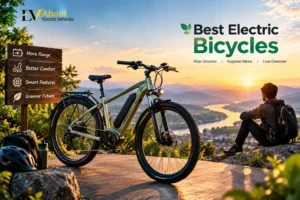
Best Electric Bicycle Types
Best Electric Bicycle for Commuting
A commuter e-bike should be comfortable, dependable, and easy to use every day. An upright riding position, integrated lights, fender and rack mounts, and puncture-resistant tires can be useful for regular travel. Range is important, but do not buy a huge battery if your journey is short. Extra battery capacity can add weight and cost.
Best Electric Bicycle for Trails
An electric mountain bike is designed for uneven surfaces, climbs, and off-road riding. Look for appropriate suspension, strong brakes, durable tires, suitable ground clearance, and a frame designed for the intended terrain. Motor torque is especially useful when climbing. However, a powerful motor cannot compensate for poor tires, weak brakes, or a frame that is not suited to the trail.
Best Folding Electric Bicycle
A folding e-bike can be a smart option for adults with limited storage space or mixed transportation needs. Check the folded size and weight before buying. A compact folding design is useful only if you can comfortably lift, carry, and store it. Pay attention to the folding mechanism, wheel size, frame construction, and available service support.
Best Electric Bicycle for Carrying Loads
Cargo e-bikes are built around carrying additional weight. They may have long frames, front or rear cargo areas, stronger wheels, and higher load ratings. If you regularly carry groceries, equipment, or passengers, check the manufacturer’s maximum system weight. Remember that heavier loads can affect acceleration, braking, handling, and range.
Motor Type: Hub vs Mid-Drive
Motor placement changes how an e-bike feels and performs. Hub motors are installed in a wheel and are common on commuter and general-purpose models. They can provide straightforward motor assistance and are available in many configurations.
Mid-drive motors sit near the bicycle’s crank and can work with the bike’s gears. This can be useful on hills and varied terrain because the rider can select an appropriate gear while the motor provides assistance. Neither design is automatically better. Choose according to terrain, riding style, maintenance preferences, and budget.
How Much Motor Power Do You Need?
Motor wattage is useful, but it should not be the only number you compare. Real performance also depends on torque, gearing, rider weight, battery output, software settings, and terrain. A moderate motor can be enough for flat roads and normal commuting. Riders who regularly face steep hills or carry heavy loads may need a system with stronger climbing ability.
Also check the legal classification of the bicycle in your area. In the United States, the commonly used three-class system distinguishes Class 1, Class 2, and Class 3 e-bikes by assistance and speed, but laws can differ between states and locations.
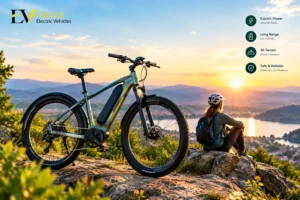
Battery Capacity and Real-World Range
Battery capacity is usually measured in watt-hours, or Wh. More watt-hours generally mean more stored energy, but they do not guarantee a fixed riding distance. Range changes with rider and cargo weight, terrain, wind, temperature, speed, tire pressure, assist level, and stop-and-go riding. High assistance and frequent climbing normally consume energy faster.
When comparing the best electric bicycle options, look for realistic range information rather than relying only on a maximum number published in advertising. Your own route is the best test of whether a battery is large enough.
Comfort and Fit
Even a technically impressive e-bike can be a poor choice if it does not fit the rider. Frame size, saddle height, handlebar position, reach, and riding posture all affect comfort and control.
A step-through frame can make mounting easier, while a conventional frame may suit riders who prefer a more traditional bicycle feel. Suspension and wider tires can improve comfort on rough roads, but they can also add weight. If possible, test ride before buying. A short ride can reveal problems that specifications cannot show.
Brakes, Tires, and Safety Equipment
Because e-bikes can be heavier and may travel faster than traditional bicycles, reliable braking and appropriate tires are important. Disc brakes are common on many electric bicycles. The correct brake setup depends on the bicycle’s weight, speed, terrain, and intended use.
Tires should match the surface you normally ride on. Smooth tires can work well on pavement, while wider or more aggressive tread may be better for loose or uneven surfaces. Safety equipment matters too. Wear a suitable helmet, use lights when needed, and follow local traffic rules.
Battery and Charging Safety
The battery is one of the most important parts of an e-bike, so quality and proper use matter. CPSC advises consumers to use compatible batteries and chargers and to avoid modified or improperly repaired battery systems. Its guidance also emphasizes following the manufacturer’s instructions for safe charging.
Do not assume that a charger is safe simply because its connector fits. Electrical compatibility matters.Use the charger supplied with the bicycle or one specifically approved by the manufacturer.
Inspect the battery for damage and follow the manufacturer’s instructions if you notice swelling, overheating, corrosion, water damage, or another unusual condition.
Electric Bicycle Maintenance
Regular maintenance can improve safety, reliability, and component life. Check tire pressure, brake pads, wheels, chain or drivetrain parts, bolts, cables, and lights. Keep the drivetrain clean and lubricated according to the manufacturer’s recommendations. Check electrical connections without opening sealed battery components unless the manufacturer provides a proper service procedure.
Before purchasing, find out whether replacement batteries, chargers, brake parts, tires, and other common components are readily available. Long-term support can be more valuable than a small saving at the time of purchase.
How Much Does the Best Electric Bicycle Cost?
There is no universal price for the best electric bicycle. Basic commuter models can cost much less than premium mountain, cargo, or performance bikes. Instead of focusing only on the purchase price, consider total ownership cost. Include accessories, maintenance, replacement parts, battery costs, and possible service expenses.
A more expensive model can provide better components or support, but higher price alone does not guarantee a better match for your needs.
What to Check Before Buying
Before choosing an e-bike, write down your riding distance, terrain, expected load, storage situation, and charging location. Then compare battery capacity, motor type, torque, frame size, bicycle weight, brakes, tires, suspension, load limit, warranty, charger, and service support. Also check whether the model complies with the rules where you intend to ride. E-bike laws are not identical everywhere, and trail or park access can have additional restrictions.
Common Buying Mistakes
One common mistake is choosing an e-bike based only on motor power. A high-power system may be unnecessary for a flat commute and can increase weight and energy use. Another mistake is trusting maximum range without considering real conditions. Wind, hills, cold weather, heavy loads, and high assistance can reduce practical range.
Buying an e-bike without checking replacement parts is another problem. A good bicycle becomes harder to own if its battery, charger, or important components are difficult to source. Finally, do not ignore fit. An uncomfortable bicycle can turn a promising purchase into an unused one.
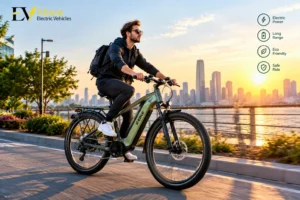
FAQs About the Best Electric Bicycle
Q.1 What is the best electric bicycle for beginners?
A comfortable commuter or step-through model with predictable pedal assistance, reliable brakes, manageable weight, and simple controls is often a good starting point. The best choice still depends on the rider’s route and needs.
Q.2 What battery size is best for an electric bicycle?
There is no universal battery size. Choose enough capacity for your usual distance with a reasonable reserve, while considering rider weight, terrain, weather, and assist level.
Q.3 Is a mid-drive motor better than a hub motor?
Not always. Mid-drive systems can be useful for hills and varied terrain, while hub motors can work very well for commuting and general riding. The better option depends on the application.
Q.4 How long does an electric bicycle battery last?
Battery life varies with cell quality, charging habits, temperature, usage, storage, and battery management. Follow the manufacturer’s care instructions to help maintain performance.
Q.5 Are electric bicycles safe?
They can be safe when properly designed, maintained, charged, and ridden responsibly. Use compatible charging equipment, inspect the bicycle regularly, wear appropriate protective equipment, and follow local rules. CPSC has also issued recent warnings and recalls involving specific e-bike products, showing why checking product safety information matters before buying.
Q.6 Is an expensive e-bike always better?
No. Price can reflect better components, battery capacity, suspension, electronics, or service support, but the most expensive bicycle may be unnecessary for your riding needs.
Conclusion
The best electric bicycle is not simply the model with the biggest motor or longest advertised range. It is the bicycle that matches your distance, terrain, comfort needs, load, budget, and daily routine.
Compare the motor, battery, brakes, tires, frame, fit, charging system, warranty, safety features, and long-term service support before making a decision. Think about how the bicycle will perform on your actual route rather than how impressive its specifications look on a product page. A well-chosen e-bike can make commuting, exercise, errands, and recreation easier while giving you more flexibility. Choose for real-world use, maintain the bicycle properly, and prioritize a reliable electrical system and equipment.