
Electric bicycles have become a practical option for commuting, exercise, errands, and everyday travel. They look similar to traditional bicycles, but an electric motor and rechargeable battery provide extra assistance when you pedal. This can make hills easier, reduce effort on longer rides, and help riders travel without relying on a car for every short trip.
Today’s market includes city, folding, cargo, mountain, and performance models. Because specifications vary, choosing the right electric bicycle requires more than looking at motor wattage or battery size. This guide explains how they work, how far they can travel, what they cost, and what to check before buying.
What Are Electric Bicycles?
Electric bicycles are bicycles equipped with an electric drive system that assists the rider. The main parts are usually a battery, motor, controller, display, sensors, charger, and bicycle frame.
On a pedal-assist model, the motor provides help when the rider pedals. Some models also have a throttle, depending on the design and local regulations. The battery supplies energy to the motor, while the controller manages how that power is delivered. Unlike a motorcycle, a typical pedal-assist electric bicycle still depends on the rider for pedaling. The amount of assistance can usually be selected through different riding modes.

How Do Electric Bicycles Work?
When you start pedaling, a sensor detects movement and sends information to the controller. The controller then tells the motor how much assistance to provide. A cadence sensor detects pedal movement, while a torque sensor measures how much force the rider applies.
The motor may be mounted in the front wheel, rear wheel, or around the bicycle’s crank area. Mid-drive motors can use the bicycle’s gears, while hub motors drive the wheel directly. When you stop pedaling, motor assistance normally stops. The exact behavior depends on the control system.
Main Types of Electric Bicycles
City Electric Bicycles
City e-bikes are designed for commuting, errands, paved roads, and everyday transportation. They often prioritize an upright riding position, practical accessories, lights, racks, and comfortable tires. They suit riders who want assistance for everyday travel.
Folding Electric Bicycles
Folding models use hinges and compact frames so they can be easier to store or transport. They can work well for apartment living, mixed public-transport journeys, and travelers with limited storage. Check the folded dimensions, bicycle weight, wheel size, hinge quality, and carrying method before buying.
Electric Mountain Bikes
Electric mountain bikes combine pedal assistance with frames, suspension, tires, and braking systems designed for rougher terrain. They can make climbs less demanding while still allowing riders to handle trails. A trail e-bike should be chosen according to the terrain, suspension design, tire setup, braking system, and intended riding conditions rather than motor power alone.
Cargo Electric Bicycles
Cargo e-bikes are built to carry people, groceries, equipment, or other loads. Their frames and wheels are designed around higher carrying capacity. Because additional weight affects handling and braking, buyers should follow the manufacturer’s maximum system weight and load limits.
Electric Bicycle Motor Types
Motor location has a major effect on how an e-bike feels. Hub motors sit inside or around a wheel hub. They are mechanically simple and can work well for commuting and general transportation. Mid-drive motors are mounted near the crank. They can use the bicycle’s gearing, which can be useful on hills and varied terrain. They may also provide a more balanced weight distribution. The best motor type depends on terrain, riding style, load, maintenance needs, and budget.
Electric Bicycle Battery and Range
Battery capacity is commonly expressed in watt-hours, or Wh. A higher Wh rating generally means more stored energy, but it does not guarantee a specific distance. Actual range depends on rider weight, terrain, wind, temperature, speed, tire pressure, assist level, stop-and-go riding, and cargo. Frequent use of high assistance can consume energy faster than a lower assist setting. Compare range claims carefully because test conditions may differ from your daily ride.
How Long Do Electric Bicycles Take to Charge?
Charging time depends on battery capacity, charger output, battery condition, and the charging system. Smaller batteries can often recharge faster than larger packs when paired with similar charger power. Use the charger specified or approved by the manufacturer. CPSC warns consumers against using incompatible universal chargers because an apparently suitable connector does not guarantee electrical compatibility. It is also important to follow the manufacturer’s charging instructions and use an appropriate location for charging.
Are Electric Bicycles Good for Commuting?
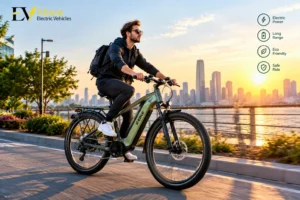
For many riders, electric bicycles can be effective commuter vehicles. Pedal assistance can make hills and longer distances easier while reducing the physical effort needed for the journey. A commuter e-bike is easy to park and can work well for short urban trips. Useful features include lights, fenders, racks, comfortable geometry, and reliable brakes. Before buying, consider your road conditions, storage, daily distance, weather, charging access, and local bicycle laws.
Benefits of Electric Bicycles
One major benefit is adjustable assistance. Riders can choose a lower support level for more exercise or a higher level when climbing hills or carrying additional weight. They can also make cycling easier for people who find longer conventional rides tiring. They are also relatively compact compared with cars and can be useful for local trips where a full-size vehicle is unnecessary.
What Are the Disadvantages?
Electric bicycles are heavier than many conventional bicycles because of the motor and battery. Replacement batteries can also be expensive, and electronic components may require specialized service.
Range can become less predictable in difficult conditions such as strong wind, steep hills, cold temperatures, or heavy loads. Charging also requires planning if you use the bicycle for long distances. Local rules can differ on speed limits, throttle use, where e-bikes may be ridden, and helmet requirements. Always check the regulations that apply where you ride.
Electric Bicycle Safety
Safe riding starts with the bicycle itself. Before each ride, check the brakes, tires, wheels, handlebars, lights, cables, and frame. CPSC recommends following local trafficlaws, wearing a bicycle helmet, and checking the product for damage before riding. Visibility also matters. Use lights and reflectors when required or when conditions make you difficult to see. Ride predictably, watch for vehicles and pedestrians, and adjust speed for road conditions. Battery safety deserves special attention. CPSC recommends using batteries and chargers designed for the specific product and warns against modified or unapproved packs.
Electric Bicycle Maintenance
Regular maintenance helps keep an e-bike reliable. Keep the tires inflated to the recommended pressure and inspect brake pads, cables, chain, drivetrain, wheels, and fasteners. Keep electrical connections clean and protected according to the manufacturer’s instructions. Do not open or modify a battery pack unless the manufacturer specifically provides a safe service procedure. For lithium-ion batteries, watch for unusual swelling, damage, overheating, smoke, or other signs of failure. A damaged battery should not be treated as normal equipment. Follow the manufacturer’s safety instructions.
How Much Do Electric Bicycles Cost?
Electric bicycle prices vary greatly. Basic commuter models can cost much less than premium mountain, cargo, or performance e-bikes. Price is affected by the motor, battery capacity, frame, suspension, brakes, drivetrain, electronics, accessories, and brand. A higher price does not automatically mean a better fit. Instead of choosing by price alone, match the specification to your use. A commuter may benefit more from reliable brakes, lights, racks, comfort, and service support than from an extremely powerful motor.
What Should You Check Before Buying?
Start with the riding purpose. Decide whether the bicycle will mainly be used for commuting, trails, cargo, recreation, or mixed transportation. Then check motor type, battery capacity, claimed range, charging time, bicycle weight, frame size, brake system, tire type, suspension, load limit, warranty, and local service availability.
Also confirm the availability of replacement batteries and other important parts. A bicycle may look attractive at purchase time, but long-term support matters if you plan to keep it.
Electric Bicycles vs Regular Bicycles
A regular bicycle relies completely on rider power. An electric bicycle adds motor assistance, which can make certain journeys easier and faster with less physical effort. A conventional bicycle is usually lighter and simpler. An e-bike adds a battery, motor, electronics, and charging requirements. Neither is automatically better. The better choice depends on distance, fitness, terrain, transportation needs, and how much assistance you want.
FAQs About Electric Bicycles
Q.1 How fast do electric bicycles go?
The legal speed of an e-bike depends on its design and the laws where it is used. Some regions classify e-bikes into different categories with specific speed and equipment requirements.
Q.2 How far can electric bicycles travel on one charge?
There is no single answer. Range depends on battery size, assistance level, rider and cargo weight, terrain, wind, temperature, speed, and tire pressure.
Q.3 Are electric bicycles safe?
They can be safe when properly designed, maintained, and ridden responsibly. Use appropriate protective equipment, follow traffic rules, and pay close attention to battery and charging safety.
Q.4 Can you ride an electric bicycle without pedaling?
Some models have a throttle, while others are pedal-assist only. Whether throttle operation is permitted depends on the bicycle’s design and local regulations.
Q.5 How long does an e-bike battery last?
Battery lifespan depends on cell quality, charging habits, temperature, usage, storage, and battery management. Following the manufacturer’s charging and storage instructions can help protect the pack.
Q.6 Are electric bicycles worth it?
For many riders, yes. They can make commuting, hills, errands, and longer rides easier. The value depends on how often you ride, your route, and the cost of the bicycle and maintenance.
Conclusion
Electric bicycles combine the basic design of a bicycle with a motor, battery, and electronic control system. They are available in many forms, from simple city models to folding, cargo, mountain, and performance bikes.
The right electric bicycle should match your real riding needs. Consider range, battery capacity, motor type, comfort, braking, weight, load limits, maintenance, safety, and local regulations before buying.
Most importantly, do not choose an e-bike only because it has a larger battery or more motor power. A well-matched bicycle with dependable components, suitable range, proper safety features, and strong long-term support can provide much more value for everyday riding.