
If you are looking for a cheap electric scooter, the lowest price should not be your only goal. A low-cost scooter can be useful for short city trips, college areas, local shopping, and daily commuting, but the cheapest model is not always the best value. Battery quality, real-world range, motor power, brakes, charging time, spare parts, warranty, and service support all affect what you actually get for your money.
This guide explains how to choose a cheap electric scooter without paying for features you do not need. The main goal is simple: get useful performance, safe operation, and reasonable ownership costs at the lowest sensible price.
What Is a Cheap Electric Scooter?
A cheap electric scooter is an electric two-wheeler designed to keep the purchase price lower than mid-range and premium models. Budget models often use smaller motors, smaller batteries, simpler suspension, fewer smart features, or lower-cost battery systems.
The meaning of cheap depends on the market. In Pakistan, recent 2026 listings show some entry-level electric scooters around PKR 95,000 to PKR 150,000, while more capable models move into higher price ranges. Prices can change by brand, battery type, dealer, location, taxes, and stock. A low price can make sense when your trips are short and your expectations are realistic. Problems usually begin when a buyer expects a basic scooter to deliver the speed, range, comfort, and durability of a much more expensive model.
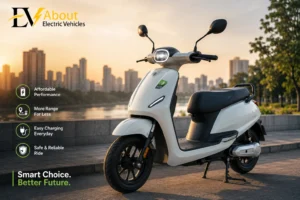
How Much Does a Cheap Electric Scooter Cost?
There is no single global price for a cheap electric scooter. In Pakistan, current 2026 market listings place some entry-level models around PKR 95,000 to PKR 150,000. Models above this range may offer stronger motors, better batteries, longer range, and improved equipment.
Do not judge the deal only by the showroom price. Ask whether the price includes the charger, registration or documentation, delivery, warranty, and other required costs. If your budget is very limited, it is usually better to choose a simple scooter from a seller with available parts and service support than an unknown model with impressive specifications but poor after-sales support.
Cheap Electric Scooter Battery
The battery is one of the most important parts of an affordable electric scooter. It affects range, weight, charging time, performance, and long-term ownership cost. Budget scooters may use lead-acid, graphene-marketed batteries, or lithium-based packs, depending on the market and model. Lithium-ion batteries are generally lighter and more energy-dense, but they can increase the purchase price.
Do not choose a battery only because the seller gives you a large amp-hour number. Look at the complete battery specification, warranty, expected life, replacement cost, and availability of service. A battery management system, or BMS, is also important on lithium battery systems because it helps monitor battery operation. Before buying, ask who will replace the battery if it fails and how much a replacement pack costs.
Cheap Electric Scooter Range: What to Expect
Range is one of the easiest specifications to misunderstand. A manufacturer may advertise a maximum range measured under controlled conditions. Your actual distance can be lower because of rider weight, speed, hills, traffic, tire pressure, temperature, road surface, and frequent acceleration.
For example, if your daily round trip is 20 km, buying a scooter with a claimed 25 km range leaves very little margin. A model with more usable range may be a better choice even if it costs slightly more. For a cheap electric scooter, focus on your daily route instead of chasing the biggest advertised number. If you can charge every night, you may not need a large battery.
Motor Power and Speed
Motor power affects acceleration and the ability to handle hills and heavier loads. Budget scooters often use smaller motors because this helps keep the purchase price down. That is not automatically a problem. A smaller motor can be enough for flat streets and short urban trips. However, if your route includes steep roads, bridges, rough surfaces, or a heavier rider load, an underpowered scooter may feel slow.
Also check the actual legal speed for your location. Do not buy a scooter simply because its motor rating or advertised top speed looks impressive. A practical speed that matches local roads is more useful than a high number you cannot safely or legally use.
Charging a Cheap Electric Scooter
Charging should be simple and safe. Before buying, confirm the charger included with the scooter, the normal charging time, and whether you have a suitable place to charge it. For daily use, home charging is often convenient. You can plug in after a trip and recharge while the scooter is parked. Always follow the manufacturer’s charging instructions.
The U.S. Consumer Product Safety Commission recommends using the supplied or manufacturer-approved charger, being present while charging, and avoiding modified or unapproved battery packs. Do not use damaged chargers or improvised electrical connections. Keep the charging area away from obvious heat and water, and unplug the scooter according to the manufacturer’s instructions.
Brakes, Tires, and Safety
A cheap electric scooter should never mean cheap safety equipment. Check the front and rear brakes before buying. The important point is that braking should feel controlled and predictable. Inspect the tires for suitable tread and check whether replacement tires are easy to obtain. Small scooter tires can make potholes, broken pavement, and speed bumps more noticeable, so stability matters.
CPSC recommends checking the handlebars, brakes, throttle, lights, tires, cables, and frame before riding. It also recommends wearing a helmet, following local laws, and riding according to the manufacturer’s instructions.
Cheap Electric Scooter for Daily Commuting
A budget scooter can work well for short and predictable commutes. It may be suitable for trips to work, college, shops, markets, or nearby neighborhoods. Before buying, calculate your actual daily distance. Then check whether the scooter can cover that distance with a reasonable range margin.
Think about where you will park and charge it. If you live in an apartment and cannot easily charge at home, a cheap scooter may become inconvenient even if its purchase price is attractive. Road quality also matters. A very light scooter with small tires may be uncomfortable on rough roads. If your route has broken pavement or frequent speed bumps, look for suitable tires, useful suspension, and enough ground clearance.
New vs Used Cheap Electric Scooter
A used scooter can cost less than a new one, but the battery deserves special attention. A low purchase price is not a bargain if the battery needs immediate replacement. Ask how old the scooter is, how it was stored, how often it was charged, and whether the original charger and documents are included. Check the brakes, tires, lights, frame, motor response, display, and charging system.
If possible, test the scooter before paying. Listen for unusual motor noise and check whether the battery level falls unusually quickly during a short ride. For many buyers, a new entry-level scooter with a clear warranty may be financially safer than a heavily used premium model with an uncertain battery.
What Makes a Cheap Electric Scooter a Good Deal?
The best cheap electric scooter is not necessarily the cheapest scooter on the market. A good deal balances purchase price with useful performance and future costs.
Look for:
- A battery that matches your daily distance
- A motor suitable for your roads and rider weight
- Reliable brakes and stable tires
- An approved charger
- A clear battery and vehicle warranty
- Local spare parts
- Accessible service support
- A realistic range claim
- A comfortable riding position
A scooter that costs slightly more but lasts longer can be cheaper overall than a very cheap model that needs frequent repairs or an early battery replacement.
Hidden Costs to Check
The sticker price is only one part of ownership. Depending on your location, you may need to pay for registration, documentation, delivery, accessories, insurance, maintenance, tires, brake parts, or a future battery. Ask the seller for the complete amount you need to pay before taking the scooter home. Also ask about warranty exclusions. A warranty may cover some components but not normal wear items or certain types of battery damage.
My Practical Approach to Buying a Cheap Electric Scooter
I would start with the route, not the scooter. First, calculate the distance you travel on a normal day. Second, decide where you will charge. Third, set a maximum budget that includes basic ownership costs. Fourth, compare battery type, usable range, motor performance, brakes, tires, warranty, and service support. After that, remove models with specifications that do not match your needs. If two scooters are close in price, I would generally prefer the one with better battery support and easier access to parts and service. A slightly higher upfront cost can be worthwhile when it reduces ownership risk.
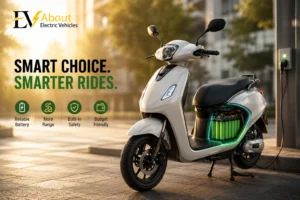
Who Should Buy a Cheap Electric Scooter?
A cheap electric scooter makes the most sense for riders who need affordable short-distance transportation and have a reliable place to charge. It can be a good choice for city errands, short commutes, campus-style travel where permitted, and local trips. It may not be the right choice for long daily distances, steep routes, frequent high-speed riding, rough roads, or carrying two people. In those situations, a stronger model may provide better value even though the initial price is higher.
FAQs About Cheap Electric Scooter
Q.1 Is a cheap electric scooter worth buying?
Yes, if your travel needs are simple. It can be practical for short trips when the battery, brakes, range, warranty, and service support are acceptable.
Q.2 How cheap can an electric scooter be?
Prices depend heavily on the country and specification. In Pakistan, 2026 listings show entry-level models around PKR 95,000 and above, although prices and availability can change.
Q.3 Does a cheap electric scooter have good range?
It can, but do not rely only on the advertised maximum. Real range changes with speed, rider weight, road conditions, temperature, and riding style. Current buyer guides also warn that real-world range can be meaningfully below advertised figures.
Q.4 Is lithium better for a budget scooter?
Lithium batteries are generally lighter and more energy-dense, but they can increase the purchase price. Compare the battery warranty, service support, and replacement cost before deciding.
Q.5 Can I use a cheap electric scooter every day?
Yes, if the scooter is designed for your route and you maintain it properly. Check its range, load limit, road suitability, charging setup, and service availability first.
Conclusion
A cheap electric scooter can be a smart way to reduce the cost of short-distance travel, but the lowest purchase price should not control the decision. Battery quality, real-world range, motor performance, brakes, tires, charging, warranty, and service support matter just as much.
Choose a model that matches your actual daily route instead of paying for unnecessary performance. If a slightly more expensive scooter gives you a better battery, stronger support, and lower ownership risk, it may be the better bargain in the long run.