
An electric mountain bicycle combines the structure and handling of a mountain bike with a battery-powered motor that adds pedal assistance. It can make steep climbs easier, extend riding distance, and help riders explore trails that would be difficult on a conventional mountain bike.
An electric mountain bicycle is not simply a normal e-bike with thicker tires. Trail riding places different demands on the frame, suspension, brakes, wheels, tires, motor, and battery. The best model depends on the terrain you ride, how technical the trails are, and how much assistance you need. This guide explains the main types, important components, battery range, safety, maintenance, and buying factors in simple terms.
What Is an Electric Mountain Bicycle?
An electric mountain bicycle, often called an e-MTB, is a mountain bike equipped with an electric drive system. Most modern trail-oriented models use pedal assistance, meaning the motor helps while the rider pedals.
The bicycle still needs normal mountain-bike components. Suspension, brakes, tires, wheels, drivetrain, frame geometry, and rider position all affect trail performance.
How Does an Electric Mountain Bicycle Work?
When you pedal, a sensor detects your input and the control system determines how much motor assistance to provide. Depending on the design, the system may use a cadence sensor, torque sensor, or both.
Torque-sensing systems measure how hard you are pushing the pedals and can provide assistance that feels more closely connected to rider effort. Different assist modes allow the rider to choose lower support for efficiency or stronger support for difficult climbs.
The battery supplies electrical energy to the motor. The controller regulates that energy according to the system’s programming, selected mode, speed, and sensor information.
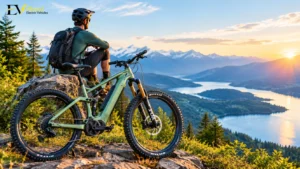
Types of Electric Mountain Bicycles
Following are the different types of the electric mountain bikes:
Hardtail Electric Mountain Bicycle
A hardtail has suspension at the front but no rear shock. It is generally lighter, simpler, and less expensive than a comparable full-suspension model. Hardtails can work well on smoother trails, gravel paths, fire roads, and mixed riding. They can also be efficient for climbing and everyday use.
Full-Suspension Electric Mountain Bicycle
A full-suspension model has a suspension fork and a rear shock. Both ends of the bike can move over uneven terrain, helping maintain traction and control. Choose suspension according to the trails you actually ride rather than buying the most travel available.
Motor Types and Performance
Most performance-oriented electric mountain bicycles use mid-drive motors. The motor applies power through the crank and bicycle drivetrain, allowing the gears to help manage different terrain. Motor power is only one part of performance. Torque, controller programming, gearing, battery voltage, rider weight, and terrain all matter.
High torque can be useful when climbing steep sections or carrying more rider weight. However, maximum output is not always necessary. A balanced system can provide smoother control and better energy management. Check local regulations before buying because legal motor power and assisted speed limits vary by location.
Why Torque Matters on Trails
Mountain trails can change from flat ground to steep climbs within a short distance. Torque helps the motor produce useful turning force at lower speeds. On steep climbs, selecting an appropriate gear and assist mode helps prevent the motor from working harder than necessary.
Avoid relying on maximum assistance for every climb. High-power modes can consume the battery faster and may make technical sections harder to control.
Battery Capacity and Range
Battery capacity is usually expressed in watt-hours, or Wh. A simple estimate is voltage multiplied by amp-hours. For example, a 48V 15Ah battery has approximately 720Wh of nominal energy. Actual range can be very different from a laboratory or manufacturer estimate.
Trail surface, elevation, rider weight, tire pressure, temperature, speed, assist level, and riding style all affect energy consumption. Steep climbs can use considerably more energy than steady riding on level ground. If you regularly ride long trails, choose enough battery capacity for the route while keeping the bike’s weight manageable.
Electric Mountain Bicycle Suspension
Suspension is important because it helps the wheels follow uneven ground and can improve traction, control, and comfort. Hardtail bikes use a front suspension fork. Full-suspension bikes add a rear shock. Suspension travel should match the intended terrain.
Smoother cross-country riding may not need the same suspension travel as aggressive trail or downhill riding. More travel can add weight and cost, and changing suspension components without checking frame specifications can affect handling.
Tires and Wheels
Trail tires need to provide grip, stability, and puncture resistance while remaining suitable for the terrain. Wheel strength matters because an electric mountain bicycle can be heavier than a conventional mountain bike. Check the manufacturer’s rider and system weight limits and use tires at pressures appropriate for the riding conditions. Inspect wheels and tires regularly for cuts, damage, loose spokes, and excessive wear.
Brakes Are Especially Important
An electric mountain bicycle is typically heavier than a non-electric mountain bike, and motor assistance can make it easier to carry speed. Reliable brakes are therefore essential. Hydraulic disc brakes are common on quality e-MTBs because they can provide strong, controlled braking. The correct brake specification depends on the bike and intended use. Learn to brake before entering corners and technical sections. Inspect pads, rotors, cables or hoses, and lever operation regularly.
Where Can You Ride an Electric Mountain Bicycle?
Trail access depends on local laws and land-manager rules. An electric mountain bicycle that is legal on one trail may not be allowed on another. Some trail systems permit certain e-bike classes while restricting others. Rules can also change as land managers update access policies.
Before riding, check the current rules for the specific trail or park. Follow posted signs, yield appropriately, and respect hikers, equestrians, and other riders.
Electric Mountain Bicycle Safety
Start with proper fit and control. Wear a suitable helmet and use protective equipment appropriate for the terrain and riding style. Practice on easier terrain before attempting technical trails. Learn how the motor responds in each assistance mode and become comfortable with braking, cornering, climbing, and descending.
The added weight of an e-MTB changes how the bicycle moves. It may carry momentum differently from a conventional mountain bike, so give yourself more time to control speed. Keep both hands on the handlebars and avoid carrying loose objects where they can interfere with steering.
Battery Charging Safety
Battery safety should never be ignored. Use the charger supplied or specifically approved by the manufacturer and follow the battery’s charging instructions. CPSC advises users to be present while charging micromobility products, avoid charging while sleeping, and use replacement batteries approved for the device. It also warns against modified battery packs or packs reworked by unqualified personnel.
If the battery is damaged, swollen, unusually hot, leaking, or producing an unusual smell, stop using it and seek qualified assistance.
Maintenance of an Electric Mountain Bicycle
Regular inspection is important because trail riding creates vibration, impacts, mud, and dust. Check tire pressure, brake operation, chain condition, wheel security, suspension settings, and important fasteners. Clean the bicycle according to the manufacturer’s instructions and protect electrical components from conditions beyond their rated limits.
Mid-drive systems can place additional load on the chain and drivetrain. Watch for unusual shifting, chain wear, or motor noises. Follow the manufacturer’s service schedule for suspension, drivetrain, motor, and battery components.
How to Choose the Right Electric Mountain Bicycle
Start by identifying your normal terrain. Smooth cross-country trails require a different setup from rocky, technical descents. Then consider frame size, suspension type, suspension travel, motor torque, battery capacity, brakes, tire design, wheel size, and total weight.
Do not buy based only on battery size or motor wattage. A well-balanced bicycle can be more useful than one with the biggest numbers.
Common Buying Mistakes
One common mistake is choosing too much suspension for simple trails. This can add unnecessary cost and weight. Another is focusing only on motor power while ignoring brakes, tires, suspension quality, and frame fit.
Some riders also underestimate battery use on long climbs. If your regular routes include significant elevation, plan for higher energy consumption. Avoid aftermarket electrical modifications unless they are specifically compatible and professionally supported. Mixing batteries, chargers, motors, or controllers can create electrical and safety problems.
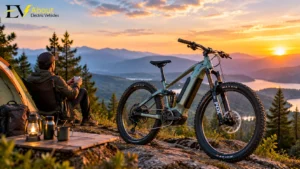
Electric Mountain Bicycle vs Regular Mountain Bike
The main advantage of an electric mountain bicycle is assistance. It can help riders climb faster, cover greater distances, or ride more challenging terrain with less physical strain. A regular mountain bike is generally lighter and simpler and requires no battery charging. It may also provide a more traditional riding experience.
FAQs About Electric Mountain Bicycle
Q.1 Is an electric mountain bicycle good for beginners?
Yes. Beginners can benefit from motor assistance, but they should learn basic mountain-bike skills and start on easier trails before attempting technical terrain.
Q.2 How far can an electric mountain bicycle go?
Range varies with battery size, rider weight, terrain, speed, temperature, tires, and assistance level. Steep trails generally use more energy than flat riding.
Q.3 Is a hardtail or full suspension better?
A hardtail can be suitable for smoother trails and simpler maintenance. Full suspension is better suited to rougher terrain where additional control and comfort are valuable.
Q.4 Are electric mountain bicycles heavy?
They are usually heavier than comparable non-electric mountain bikes because of the motor and battery. The exact weight depends on frame material, battery size, motor, and components.
Q.4 Can I ride an e-MTB on any mountain-bike trail?
No. Trail access depends on local rules, land ownership, and the class or type of e-bike. Always check the current rules before riding.
Conclusion
An electric mountain bicycle can expand where and how far you ride by adding motor assistance to a capable mountain-bike platform. The right model should match your terrain, riding style, fitness, distance, and skill level. Pay close attention to the motor, torque, battery, suspension, tires, wheels, brakes, and frame size. Safety and trail access matter just as much as performance.
Choose a bicycle that fits the trails you actually ride instead of paying for specifications you do not need. With the right setup, responsible riding, and regular maintenance, an electric mountain bicycle can make climbing easier while keeping the fun and control that make mountain biking enjoyable.