
Riding an electric scooter is convenient, but even a short trip can end with a sudden fall. A helmet is one of the simplest pieces of safety equipment you can use on every road trip. The right electric scooter helmet should fit securely, provide suitable head coverage, and meet a recognized safety standard for the type of riding you do. It should also be comfortable enough that you will actually wear it every time.
The best choice is not simply the most expensive helmet. Fit, certification, coverage, ventilation, visibility, and riding conditions matter more. This guide explains what to look for, how to wear a helmet correctly, and how to avoid common buying mistakes.
Why Do You Need an Electric Scooter Helmet?
An electric scooter can move faster than a person can run, and its small wheels can react sharply to potholes, curbs, gravel, and other obstacles. If the front wheel stops or loses stability, the rider can be thrown forward quickly. The U.S. Consumer Product Safety Commission recommends wearing a bicycle helmet when riding e-scooters and says helmets can help protect the head during falls and collisions. CPSC also advises riders to slow down, stay aware, and check the scooter before each ride.
A helmet cannot prevent a crash. Its job is to reduce the forces reaching your head during an impact. That makes wearing one important even on short trips.
What Makes a Good Electric Scooter Helmet?
A useful helmet should meet several basic requirements. First, it needs to be made for an activity that matches your riding. Second, it should have a recognized safety certification appropriate to the helmet type and market where you buy it. For example, NHTSA advises bicycle riders to look for a label showing compliance with the U.S. CPSC bicycle helmet safety standard. It also stresses that the helmet should fit correctly and be designed for the activity.
A good helmet should sit firmly without painful pressure. It should not block your vision or move around when you ride. Reliable straps, ventilation, and reasonable weight also matter.
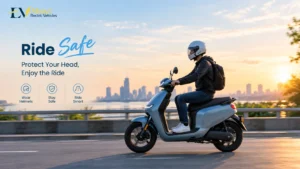
Bicycle Helmet or Full-Face Helmet?
For many everyday riders, a certified bicycle-style helmet is practical. It is usually light, ventilated, and comfortable for commuting. A full-face helmet gives more coverage around the sides and chin. It may suit higher-speed, aggressive, or rough-terrain riding. However, more coverage can mean extra weight and less airflow.
Do not choose a helmet only because it looks like motorcycle or downhill equipment. The important question is whether its safety certification and design match your intended use.
How Should an Electric Scooter Helmet Fit?
Fit is one of the most important parts of helmet safety. A certified helmet cannot provide its intended protection if it is sitting incorrectly or can come off during a crash. Place the helmet level on your head. The front should sit low enough to protect the forehead without blocking your vision. Adjust the side straps so they sit comfortably around your ears. Fasten the chin strap and tighten it until the helmet feels secure without being painfully tight.
The helmet should stay in place when you move your head. It should not slide backward, tilt heavily to one side, or rock from front to back. NHTSA specifically warns that a poorly fitting helmet will not provide the desired protection. Do not wear a thick cap underneath if it changes the way the helmet fits. If the helmet remains loose even after adjustment, choose another size or model.
How to Measure Your Head for a Helmet
Use a soft measuring tape around the widest part of your head, keeping it level above your eyebrows and around the back. Compare the measurement with the manufacturer’s size guide. Helmet sizes differ between brands, so do not assume every medium fits the same.
If your measurement falls between sizes, follow the manufacturer’s fitting instructions. The final test is how securely the helmet sits on your head, not the letter printed on the box.
Safety Standards to Check
Safety labels are more useful than marketing words. Before buying an electric scooter helmet, check the actual certification information. In the United States, NHTSA recommends looking for a helmet that meets the CPSC bicycle helmet standard when selecting a bicycle helmet. CPSC lists ASTM F1447 as a voluntary standard for helmets used in recreational bicycling or roller skating.
Standards and legal requirements differ between countries. Check the standard recognized where you ride and any local helmet rules. Do not buy a helmet just because the product page says it is “safety certified.” Look for the specific standard and certification information on the product, packaging, or manufacturer’s documentation.
Ventilation and Comfort Matter
A helmet that feels uncomfortable may be left at home. Good airflow helps during warm weather and longer rides. Look for vents that allow air to move across the head. Padding should feel comfortable without creating pressure points. Weight matters too. A lighter helmet can feel better during a long ride, but low weight should not replace proper protection or certification. Choose the lightest suitable helmet that gives you the coverage and fit you need.
Visibility Features Can Help
An electric scooter helmet can also support visibility. Reflective details, bright colors, or an integrated rear light can make a rider easier to notice, particularly in low-light conditions. However, visibility features do not replace safe riding. CPSC recommends that e-scooter riders see and be seen and use lights, reflectors, a bell or horn, and other visibility equipment when appropriate.
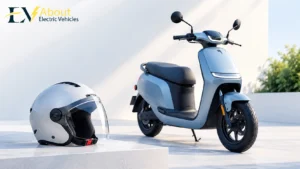
Helmet Features Worth Considering
Modern helmets can include useful extras, but not every feature is necessary. A simple certified helmet with a good fit can beat a feature-heavy model that fits poorly. Useful features may include an adjustable retention dial, removable padding, ventilation, reflective elements, and a rear light. Some helmets also include rotational-impact technology, but it should not replace certification and correct fit. Avoid choosing based only on appearance, brand popularity, or a large list of features.
How Much Should You Spend on an Electric Scooter Helmet?
Price varies widely, but higher cost does not automatically mean better protection. Start with certification, fit, coverage, and construction, then consider comfort and features. A basic certified helmet can suit normal commuting. A more advanced helmet may be worthwhile if you need extra coverage, ventilation, adjustment, or features for faster riding. The goal is to buy a helmet you can wear correctly on every trip, not simply the most expensive option.
When Should You Replace a Helmet?
Replace a helmet after a serious impact, even if there are no obvious cracks. Damage may not always be easy to see, and the helmet may no longer provide the protection it was designed to offer. Inspect the shell, straps, buckle, padding, and adjustment system regularly. Replace it if damaged, if the retention system fails, or when the manufacturer recommends replacement. Do not modify the helmet by drilling holes, cutting structural parts, or making changes that were not approved by the manufacturer.
Electric Scooter Helmet Safety Tips
Wear your helmet on every ride, not only on busy roads. Fast traffic is not the only hazard. A wet surface, loose gravel, curb, pothole, or sudden obstacle can cause a fall. Before riding, make sure the helmet is secure and the scooter is in good condition. CPSC recommends checking components such as the brakes, tires, handlebars, throttle, lights, cables, and frame before riding. Keep both hands available for control, follow local traffic rules, and slow down when conditions are uncertain. Never let a helmet create a false sense of security.
Common Helmet Buying Mistakes
One common mistake is choosing a helmet by size alone. Two helmets with the same label can fit differently. Another is buying without checking the safety standard. A stylish shell or low price does not prove suitable testing. Some riders also buy a helmet that is too loose because it feels comfortable. Comfort matters, but the helmet must remain stable during movement. Finally, avoid used helmets when you cannot verify their history. A helmet may have experienced an impact before you bought it, even if it looks clean.
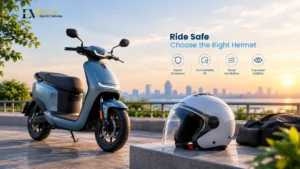
FAQs About Electric Scooter Helmet
Q.1 Is a bicycle helmet good for an electric scooter?
For many riders, a properly fitted bicycle helmet that meets an appropriate safety standard is a practical option. CPSC specifically recommends bicycle helmets for e-scooter riding.
Q.2 Do I need a full-face helmet for an electric scooter?
Not every rider needs one. A full-face design may be useful for higher-speed or more aggressive riding because it provides more coverage. Choose according to your speed, terrain, risk level, and the helmet’s certification.
Q.3 How tight should an electric scooter helmet be?
It should feel snug and stay stable without causing painful pressure. The straps should be adjusted so the helmet does not move significantly when you shake your head.
Q.4 Can I use any helmet for an electric scooter?
No. Choose a helmet designed and certified for an activity appropriate to your riding. Check the specific safety standard rather than relying on general claims.
Q.5 Can I ride without a helmet at low speed?
A low speed can reduce some crash risks, but it does not eliminate them. CPSC recommends wearing a helmet when riding e-scooters. Local laws may also require helmet use.
Q.6 How do I know if my helmet is safe?
Check its certification label, fit, condition, and manufacturer information. Do not use a helmet that is damaged or has been involved in a significant impact.
Conclusion
The right electric scooter helmet should be safe, properly fitted, comfortable, and suitable for your riding style. Certification should come before appearance, while fit should come before extra features. For everyday riding, a properly fitted bicycle-style helmet that meets the relevant standard can be a practical choice. Riders who use faster or more demanding scooters may prefer greater coverage.
Most importantly, wear the helmet every time you ride. Combine it with a well-maintained scooter, sensible speed, good visibility, and awareness of your surroundings. A helmet is a simple habit, but it can make a meaningful difference when an unexpected fall happens.