
An electric gravel bike is the closest thing cycling has to a magic carpet: drop bars, fat tires, and a quiet motor that flattens climbs and stretches your Sunday route into all-day adventure. But the best electric gravel bikes share a philosophy — light assistance, natural feel — which makes choosing one different from choosing an e-MTB. In this guide we rank the five best electric gravel bikes you can buy in 2026, explain the motor systems behind them, and tell you exactly which bike fits which rider.
What Makes a Great Electric Gravel Bike?
Lightweight motors, tuned soft.
Gravel e-bikes use compact systems — Specialized SL, Bosch SX, Fazua Ride 60, Mahle hub motors — with 40–60 Nm of torque. They assist rather than launch you, which preserves the cycling feel and saves battery on long rides.
Real range on mixed surfaces.
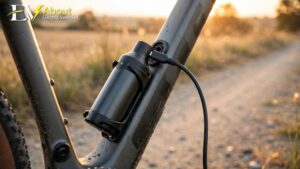
Batteries run 250–430 Wh. Expect 40–90 miles depending on assist level, and look for range-extender compatibility if you ride big days — a second bottle-sized battery can add 50 percent more range.
Weight you can shoulder.
The best models weigh 26–36 lbs (12–16 kg). That matters when you lift the bike over a gate or onto a car rack — and a light bike still rides beautifully with the motor off.
Clearance and comfort.
Room for 45–50 mm tires (some take 2.2″), plus comfort tech like Specialized’s Future Shock or a short-travel fork, keeps rough tracks pleasant for hours.
Class matters.
In the US, Class 1 bikes assist to 20 mph; Class 3 models like the Skitch assist to 28 mph but face more trail restrictions. In the EU/UK, assistance stops at 25 km/h. Check your local rules before buying.
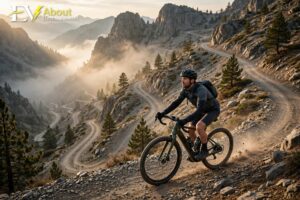
The Motor Systems Behind the Best Electric Gravel Bikes
Four systems power nearly all the best electric gravel bikes, and each has a personality. Bosch Performance Line SX (Canyon) is the athlete: a proper mid-drive with 55 Nm, up to 600W of peak support, and the most mature app and dealer network in cycling. Specialized SL 1.2 is the efficiency expert, designed in-house to sip power and stay silent, at the cost of a smaller 320 Wh battery.
Fazua Ride 60 (Santa Cruz) is the ghost: nearly invisible, virtually drag-free when off, and removable from the frame in seconds. Mahle hub systems (Orbea’s X20, Cannondale’s X35) hide in the rear wheel, keeping bikes lightest and cheapest, though they can’t match a mid-drive’s climbing leverage on very steep, loose pitches because they don’t use the bike’s gears.
None of these is “best” in isolation. Mid-drives climb better and balance centrally; hub motors ride more naturally at cruising speed and keep prices down. Your terrain decides which trade-off serves you — which is exactly how we split the picks below.
The 5 Best Electric Gravel Bikes in 2026
Best top five electric gravel bikes in 2026:
1. Specialized Turbo Creo 2 — Best Overall
The Creo 2 is the benchmark. Its SL 1.2 mid-drive motor delivers 320W and 50 Nm with a remarkably natural, quiet feel, fed by a 320 Wh battery (plus an optional 160 Wh range extender). Future Shock 3.0 suspension in the steerer cuts hand buzz, clearance swallows 2.2″ tires, and carbon models weigh around 31 lbs. Prices run from about $4,000 for the alloy Comp E5 to $6,500 for the Expert — and yes, halo S-Works builds beyond that. If you want one bike for road, gravel, and light touring, this is it.
2. Orbea Gain — Best Lightweight, Most Natural Ride
The Gain barely looks electric, and at roughly 26–28 lbs in carbon form it barely rides like one either. The Mahle X20 hub motor (55 Nm) and 350 Wh internal battery deliver gentle, drag-free help — Orbea calls it “enough power,” and for fit riders who want a tailwind rather than a tow, it is exactly right. Prices start around $3,299 for alloy models. Range is the trade-off: ride it like a normal bike with assistance in reserve, not as a throttle to adventure.
3. Canyon Grizl:ONfly — Best for Rough Terrain
Canyon took its rugged Grizl and added Bosch’s excellent Performance Line SX motor (55 Nm) and a 400 Wh battery. The result is the most dirt-capable bike here: stable geometry, big clearances, and suspension-fork builds that shrug off rocky tracks. It is heavier at around 36 lbs (16.25 kg), but the Bosch system gives the strongest, most configurable assist of the group, and direct-from-Canyon pricing from around $4,000 (CF 9 tested at $5,599) undercuts dealer brands. One quirk: on AXS builds, shifting runs off the main battery, so a flat battery means no gears.
4. Santa Cruz Skitch — Best Premium Power
The Skitch pairs the Fazua Ride 60 motor (60 Nm — the torquiest here) with a 430 Wh battery in a ~30 lb carbon frame, in both drop-bar and flat-bar versions. As a US Class 3 bike it assists to 28 mph, making it the fastest commuter-adventurer of the five, and the Fazua system is famously silent and drag-free above the cutoff. Prices start around $6,299. Buy it if you want premium build quality, lifetime frame warranty, and the strongest push on steep loose climbs.
5. Cannondale Topstone Neo SL 2 — Best Value
Proof you don’t need five figures: the Topstone Neo SL 2 uses the proven Mahle X35 hub system (250 Wh battery, up to ~47 miles per charge, more with the optional extender) in a smart alloy frame with a carbon fork, Shimano GRX gears, and mounts for everything. At 32 lbs and a $3,630 list price — frequently discounted well below that — it is the best electric gravel bike for riders who want the experience without the flagship bill.
Comparison Table
Bike | Motor | Battery | Weight | Price From | Best For |
|---|---|---|---|---|---|
Specialized Turbo Creo 2 | SL 1.2 mid-drive, 50 Nm | 320 Wh (+160 extender) | ~31 lbs (carbon) | ~$4,000 | Best overall |
Orbea Gain | Mahle X20 hub, 55 Nm | 350 Wh | ~26–28 lbs | ~$3,299 | Lightest, natural feel |
Canyon Grizl:ONfly | Bosch SX mid-drive, 55 Nm | 400 Wh | ~36 lbs | ~$4,000 | Rough terrain |
Santa Cruz Skitch | Fazua Ride 60, 60 Nm | 430 Wh | ~30 lbs | ~$6,299 | Premium power, Class 3 |
Cannondale Topstone Neo SL 2 | Mahle X35 hub, 40 Nm | 250 Wh (+extender) | ~32 lbs | ~$3,630 | Best value |
Also Worth a Look
Three more names deserve an honourable mention. The Scott Solace eRIDE uses the whisper-quiet TQ HPR50 system and suits road-leaning riders. The BMC Roadmachine 01 AMP X brings Swiss polish and Mahle power at a suitably Swiss price. And the Trek Domane+ SLR, while road-first, handles light gravel happily with its TQ motor and huge brand support network. None quite displaced our top five for gravel-first riders, but if one is on sale at your local shop, test-ride it before deciding — fit and dealer support beat spec sheets.
How to Choose Among the Best Electric Gravel Bikes
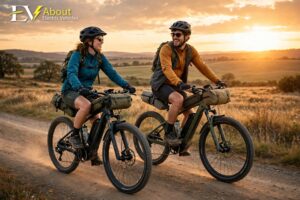
Start with your terrain. Smooth dirt roads and mixed tarmac reward the lightest bikes (Gain, Creo 2). Rocky, washed-out tracks argue for the Grizl:ONfly’s burlier build. Then your speed needs: US riders who commute fast should look at Class 3 (Skitch); pure off-road riders are fine with Class 1 and its wider trail access. Finally, your range: under 50-mile days, everything here works; beyond that, prioritise extender-compatible systems (Creo 2, Topstone) or the biggest battery (Skitch, Grizl).
Whatever you choose, treat the battery well — the habits in our electric bike battery life guide will keep any of these packs healthy for years.
FAQs About the Best Electric Gravel Bikes
Q.1 What is the best electric gravel bike overall?
The Specialized Turbo Creo 2 is our top pick for most riders: natural and quiet assistance, excellent range with the optional extender, big tire clearance, and builds from about $4,000. The Orbea Gain beats it on weight; the Canyon Grizl:ONfly beats it off-road.
Q.2 How far can an electric gravel bike go on one charge?
Typically 40 to 90 miles, depending on battery size, assist level, terrain, and rider weight. Light hub-motor bikes sipping power on flat routes go furthest; powerful mid-drives on mountain routes use charge fastest. Range extenders add roughly 50 percent.
Q.3 Are electric gravel bikes worth it?
For riders whose routes are limited by hills, headwinds, or fitness, yes — the motor turns “too far, too steep” rides into regular ones. If you only ride flat, easy terrain, a regular gravel bike saves money and weight.
Q.4 Can you ride an electric gravel bike with the motor off?
Yes, and the best models are designed for it. Lightweight systems from Fazua, Mahle, and Specialized add minimal drag, so the bike pedals almost like a normal gravel bike — just a few kilos heavier.
Q.5 What is the difference between Class 1 and Class 3 e-bikes?
Class 1 assists while you pedal up to 20 mph. Class 3 also pedal-assists but up to 28 mph, and may face extra restrictions on trails and bike paths. Outside the US, most e-bikes are limited to 25 km/h assistance.
Q.6 How long do electric gravel bike batteries last?
Expect 500 to 1,000 charge cycles — usually 3 to 5 years of regular riding — before capacity drops noticeably. Replacement packs and costs vary by system, so factor that into long-term ownership.
Conclusion
The best electric gravel bikes in 2026 prove that assistance and authenticity can coexist. Choose the Creo 2 for the complete package, the Gain for featherweight purity, the Grizl:ONfly for the rough stuff, the Skitch for premium power, or the Topstone Neo SL 2 for honest value. Match the bike to your terrain, your range, and your local e-bike class — and the motor will quietly turn your gravel map twice as big.
One last tip before you buy: always test-ride at least two systems back to back. On paper these motors look similar; on a real climb, the difference between a hub motor’s gentle push and a mid-drive’s gear-multiplied torque is something you feel in your legs within a hundred metres.